
Summer Pet Safety: 8 Heat Mistakes to Avoid
Quick Answer:
Summer pet safety means preventing overheating before it starts: walk early, avoid hot pavement, never leave pets in cars, and watch for heatstroke signs. Dogs and cats can overheat faster than owners expect, especially in humid cities and small flats.
Key Takeaways
- Heatstroke is an emergency, not something to "wait and see."
- Flat-faced, senior, overweight, and sick pets need extra care in hot weather.
- Water, shade, airflow, and cooler walking times are your best summer safety tools.
Why Pets Overheat So Easily
Dogs and cats do not cool down like humans.
Dogs mainly release heat by panting. Cats may pant too, but panting in cats is more concerning and should be taken seriously. In humid weather, panting becomes less effective because moisture in the air slows heat loss.
That is why a short walk at 1pm can be risky, even if your dog seems keen to go.
A Pug owner in Kennedy Town once told me, "He only walked for ten minutes." But it was a humid afternoon, and the dog came home drooling, weak, and breathing hard. Short does not always mean safe.
Heat risk depends on temperature, humidity, exercise, breed, body weight, age, and health.
8 Common Summer Pet Safety Mistakes

1. Walking at the Hottest Time of Day
Midday walks are convenient. They are rarely kind.
Pavement, asphalt, and artificial turf can trap heat and burn paw pads. Hot ground also pushes heat up into your dog's body.
Do this instead:
Walk before 8am or after sunset. Test the pavement with the back of your hand for 5 seconds. If it feels too hot for you, it is too hot for paws.
2. Leaving Pets in Parked Cars
A parked car can become dangerous within minutes. Shade and cracked windows do not make it safe.
Do this instead:
Never leave your pet unattended in a car. If your destination does not allow pets, leave them at home.
3. Shaving the Coat Too Short
A full shave can backfire, especially for double-coated breeds like Huskies, Shiba Inus, and Golden Retrievers. Their coat helps protect against heat and sun.
Do this instead:
Brush regularly to remove loose undercoat. Ask a professional groomer or vet before shaving.
4. Assuming Heavy Panting Is Normal
Panting is normal after exercise. Heavy panting that does not settle is not.
Watch for:
- Excessive drooling
- Bright red, pale, or blue gums
- Weakness
- Vomiting or diarrhoea
- Staggering
- Collapse
Do this instead:
Stop activity immediately. Move your pet somewhere cool and contact a vet.
5. Waiting Until Your Pet Looks Thirsty
Thirst is not a perfect warning sign. Pets can become dehydrated before they ask for water.
Do this instead:
Keep fresh water available all day. Bring a travel bowl on walks. Add water to meals if your pet needs encouragement.
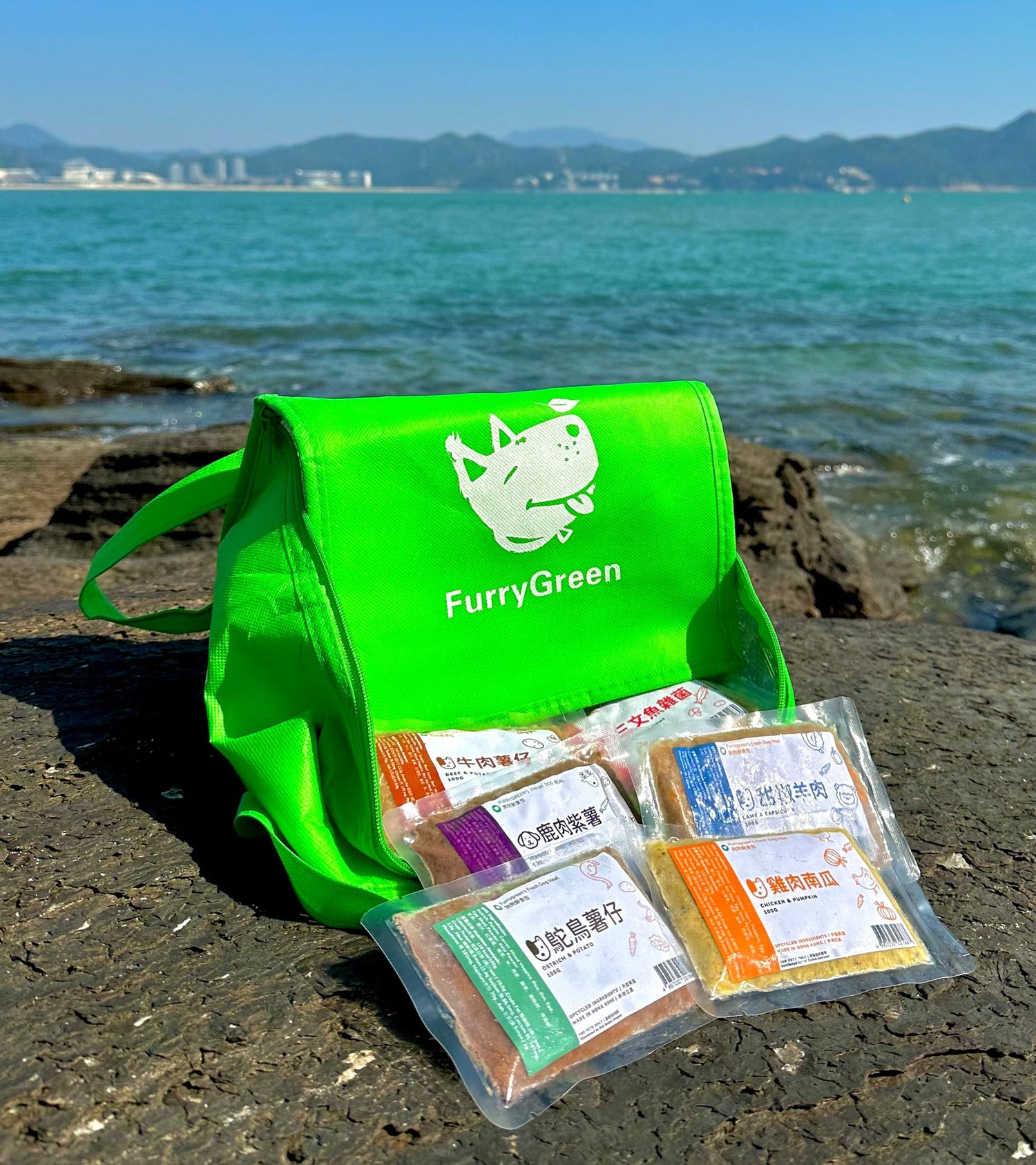
This is where moisture-rich food helps. Furry Green's gently cooked meals naturally contain more moisture than dry kibble, which can support daily hydration alongside fresh water.
6. Leaving Pets on Balconies or Rooftops
Balconies may feel breezy, but concrete, tiles, and glass reflect heat. A pet can overheat quickly if shade shifts.
Do this instead:
Keep pets indoors during peak heat. If they go outside, supervise them and provide shade, water, and airflow.
7. Exercising Flat-Faced Breeds in Heat
French Bulldogs, Pugs, English Bulldogs, Boston Terriers, and Persian cats have shorter airways. They struggle to cool themselves efficiently.
Do this instead:
Keep walks short and slow. Avoid hot afternoons. If breathing sounds louder than usual, stop.
8. Forgetting High-Risk Pets
Some pets need stricter heat rules.
Higher-risk pets include:
- Puppies and kittens
- Senior pets
- Overweight pets
- Flat-faced breeds
- Pets with heart or breathing disease
- Pets with poor mobility
Do this instead:
Ask your vet for a summer plan if your pet falls into one of these groups.
Quick Summer Safety Guide
| Situation | Risk Level | Safer Choice |
|---|---|---|
| 1pm pavement walk | High | Early morning or late evening walk |
| Parked car "for 5 minutes" | Very High | Never leave pets inside |
| Balcony nap in sun | High | Cool indoor room with airflow |
| Long run with a Bulldog | Very High | Short toilet walk only |
| Water only after exercise | Medium | Offer water before, during, and after |
| Full shave for double coat | Medium | Brush out loose undercoat |
What to Do If You Suspect Heatstroke

Heatstroke needs urgent veterinary care.
Move your pet to a cooler area. Offer small amounts of water if they are alert. Wet them with cool — not ice-cold — water, especially around the belly, paws, and groin. Use a fan if available.
Then go to the vet.
Do not wait for symptoms to "pass." ACVECC notes that emergency and critical care specialists manage severe cases such as respiratory distress, shock, trauma, and life-threatening illness. Heatstroke can become that serious.
My colleague's cat once hid under a bed during a broken air-con day. She was not panting, but she was limp and unusually quiet. The vet said coming in early likely prevented a worse outcome.
Quiet pets can still be in trouble.
Learn more: Heatstroke in Dogs: Recognising the Signs and Taking Swift Action
Food, Hydration, and Hot Weather

Water is the priority. Food can help, but it is not a replacement.
WSAVA's Global Nutrition Guidelines encourage nutrition to be assessed as part of routine veterinary care, including body condition and individual needs. That matters in summer because overweight pets are at higher heat risk.
Practical tips:
- Keep water bowls in more than one room.
- Wash bowls daily.
- Add water to meals.
- Use frozen lick mats for supervised cooling.
- Keep treats below 10% of daily calories.
If your dog eats Furry Green, you can spread a small portion onto a lick mat and chill it for a calm indoor activity during hot afternoons.
Keep Your Dog Cool and Nourished This Summer
Furry Green's gently cooked meals are packed with natural moisture to support daily hydration — no added preservatives, just real food your dog will love.
Explore Fresh Dog Food →Frequently Asked Questions
How hot is too hot to walk a dog?
There is no single safe number because humidity, pavement heat, breed, age, and fitness all matter. As a rule, avoid midday walks in summer. Walk early morning or late evening, check the ground with your hand, and stop if your dog pants heavily, slows down, or refuses to continue.
What are the first signs of heatstroke in dogs?
Early signs include heavy panting, drooling, restlessness, weakness, bright red gums, vomiting, diarrhoea, or staggering. Severe signs include collapse, seizures, blue or pale gums, and loss of consciousness. Heatstroke is a medical emergency, so contact a vet immediately if these signs appear.
Should I shave my dog in summer?
Not always. Shaving may help in specific medical or grooming cases, but it can harm coat function in double-coated breeds. Their coat helps protect against sun and heat. Regular brushing, removing loose undercoat, and trimming hygiene areas are usually safer options.
Are cats at risk of heatstroke?
Yes. Cats can overheat, especially seniors, kittens, overweight cats, flat-faced breeds, and cats with heart or breathing disease. Warning signs include open-mouth breathing, weakness, drooling, vomiting, hiding, or collapse. If your cat pants in hot weather, contact a vet.
Does wet food help pets stay hydrated?
Moisture-rich food can support hydration, but pets still need clean drinking water at all times. Canned and fresh diets contain more water than dry kibble, which may help pets that drink less. Ask your vet if your pet has kidney, heart, or urinary concerns.
Sources and Further Reading
- Hall EJ, Carter AJ, O'Neill DG. Incidence and risk factors for heat-related illness (heatstroke) in UK dogs under primary veterinary care in 2016. Scientific Reports. 2020;10:9128. doi:10.1038/s41598-020-66015-8.
- Hall EJ, Carter AJ, O'Neill DG. Dogs don't die just in hot cars—exertional heat-related illness (heatstroke) is a greater threat to UK dogs. Animals. 2020;10(8):1324. doi:10.3390/ani10081324.
- Bruchim Y, Klement E, Saragusty J, et al. Heat stroke in dogs: A retrospective study of 54 cases (1999–2004) and analysis of risk factors for death. Journal of Veterinary Internal Medicine. 2006;20(1):38-46.
- Cornell University College of Veterinary Medicine. Heat Stroke in Dogs and Cats. Available at: https://www.vet.cornell.edu
- eClinPath. Heat Stroke. Cornell University College of Veterinary Medicine. Available at: https://eclinpath.com
- American Veterinary Medical Association (AVMA). Warm Weather Pet Safety. Available at: https://www.avma.org/resources-tools/pet-owners/petcare/warm-weather-pet-safety
- American College of Veterinary Emergency and Critical Care (ACVECC). Heatstroke in Pets. Available at: https://www.acvecc.org
- World Small Animal Veterinary Association (WSAVA). Global Nutrition Guidelines. Available at: https://wsava.org/global-guidelines/global-nutrition-guidelines/
Disclaimer: This content is for educational purposes only and does not replace veterinary advice. Always consult a veterinarian when making dietary changes for your pet.