
Bichon Frise Nutrition in Hong Kong: Feeding, Skin, Teeth & Urinary Health (2026 Guide)
Quick Take
If your Bichon Frise eats a complete & balanced diet, stays lean, drinks enough water, and gets daily dental care, you are already doing most things right. Nutrition helps support their skin, teeth, and urinary health, but it doesn't need to be complicated.
Key Takeaways
- Keep it complete & balanced for your dog's life stage, then tailor for body weight, skin, teeth, and urinary risk.
- Hydration is a nutrient. Many Bichons do better with higher-moisture meals to support urinary health.
- Brush teeth daily and treat kibble/chews as "helpers," not replacements for dental care.

TLDR Overview
The best Bichon Frise diet is a life-stage complete and balanced formula with precise portion control to prevent weight gain. Because Bichons are prone to plaque/tartar, itchy skin (allergic disease), and urinary stones, prioritize consistent ingredients, omega‑3 fatty acids (EPA/DHA), and hydration support through fresh water and higher-moisture meals. Aim for about 40–70 ml/kg/day total water intake (food + drinking). If your Bichon has chronic itch, repeated ear infections, or urinary symptoms (frequent urination, straining, blood), see a veterinarian for targeted testing and diet guidance.
Why Nutrition Matters More for Bichons
Bichon Frises are small, mostly indoor dogs. In Hong Kong apartments, that often means:
- Less daily movement
- Easier weight gain
- Higher risk of dental disease
- Lower water intake, especially on dry food
They are also commonly associated with:
- Skin sensitivity (atopic dermatitis)
- Dental plaque and tartar
- Urinary stones, including struvite and calcium oxalate (MSD Veterinary Manual)
What to Feed Your Bichon
Start with the basics
Choose a diet that is:
- Complete & balanced
- Appropriate for your dog's life stage (puppy, adult, senior)
- From a brand that follows WSAVA nutrition guidelines
Bichons do not need a breed-specific or "luxury" diet. Consistency matters more than novelty.
Calories matter more than people expect
Small dogs gain weight easily.
- Measure food in grams, not cups
- Keep treats to ≤10% of daily calories
- Use part of the meal for training treats
Supporting Common Bichon Health Issues

1) Skin Sensitivity
Nutrition can support the skin barrier, but it does not cure allergies.
- Adequate protein and essential fatty acids (omega-3s like EPA/DHA) matter
- Chronic itch or ear infections need veterinary evaluation
- Avoid frequently rotating proteins if allergies are suspected
2) Dental Disease

This is extremely common in small dogs.
- Kibble and dental treats help only a little
- Daily brushing is the most effective tool
- Professional cleaning should follow your vet's advice
3) Urinary Tract Health
Bichons are a recognized risk breed for urinary stones.
- Hydration is the most important preventive factor
- Stone type matters—some need prescription diets
- Never change to a urinary diet without veterinary guidance
Hydration is the biggest lever because it increases urine volume and dilutes crystal-forming compounds.
Action steps
- Prioritize wet/high-moisture meals, or add water to meals (if tolerated).
- Keep water fresh and accessible all day.
- If there's a history of stones/crystals, ask your vet whether a prescription urinary diet is needed and which stone type you're dealing with.
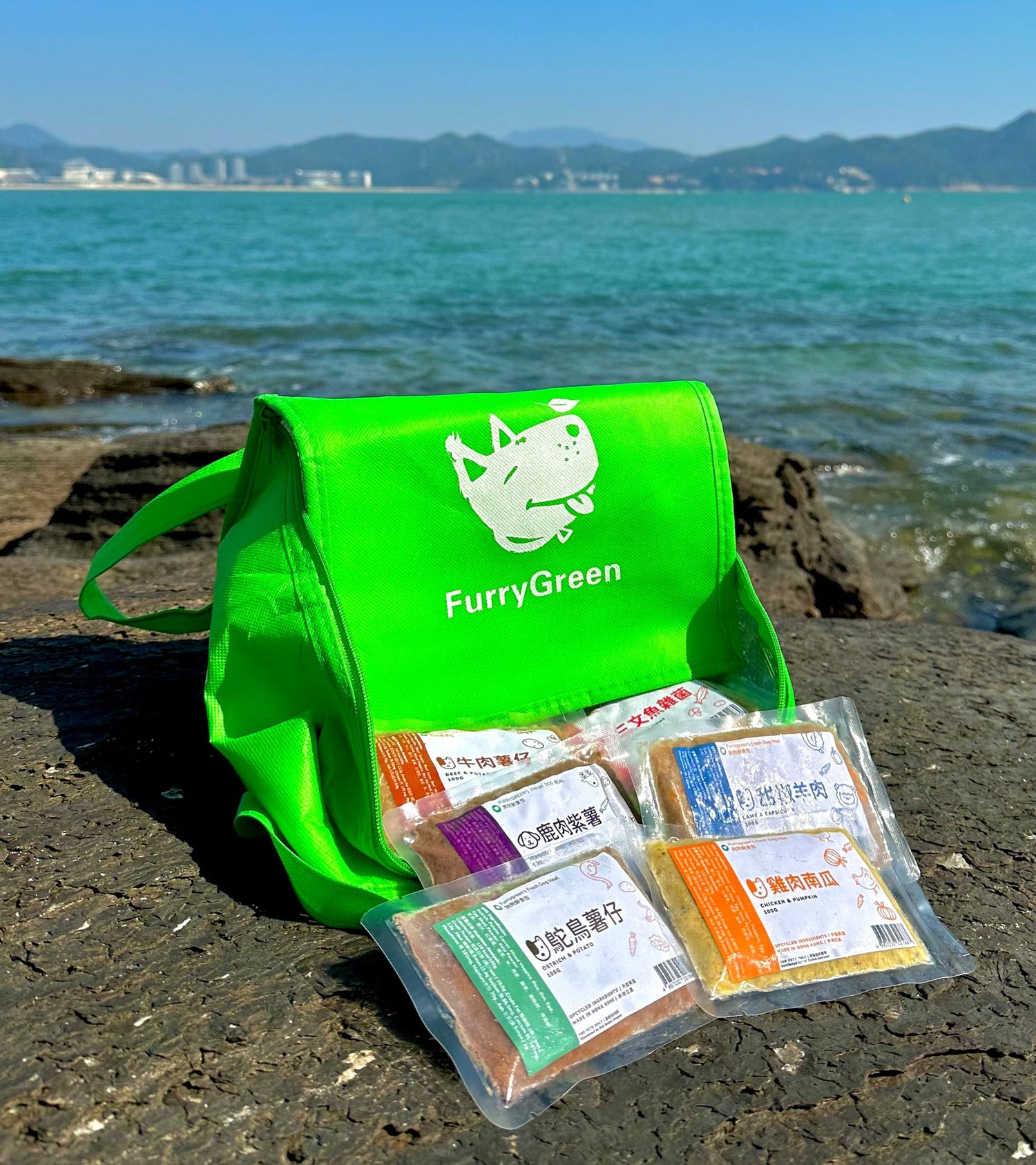
For Bichons that don't drink enough, gently cooked, high-moisture meals from Furry Green naturally boost total water intake, supporting urinary health and overall wellness.
Explore Dog Meals →Hydration Targets: How Much Water Does a Bichon Need?

Most healthy small dogs aim around 40–70 ml/kg/day total water intake (this includes water from food + drinking). A commonly used practical estimate is ~60 ml/kg/day.
Quick reference table (total water from food + drinking)
| Bichon Weight | Lower Range (40 ml/kg) | Typical Target (~60 ml/kg) | Upper Range (70 ml/kg) |
|---|---|---|---|
| 4 kg | 160 ml/day | 240 ml/day | 280 ml/day |
| 5 kg | 200 ml/day | 300 ml/day | 350 ml/day |
| 6 kg | 240 ml/day | 360 ml/day | 420 ml/day |
When to aim higher
- Mostly dry food (low moisture)
- Hot/humid summer walks, more outdoor time
- Vet wants "urine dilution" for urinary management
Red flags: too much or too little
- Too low: persistently <40 ml/kg/day, especially if eating dry food and urine is dark/small volume
- Too high: persistently >90–100 ml/kg/day (possible polydipsia), especially with increased urination (PU/PD)
If drinking/urination changes last more than 1–2 days, don't just "adjust water." Call your vet.
Feeding Tips for Urban Living (Heat, Apartments, Noise, Parasites)
- Walk early morning or late evening in summer
- Offer water during outings
- Use puzzle feeders or sniff games indoors
- Keep parasite prevention consistent year-round
Quick Checklist
✔ Food measured, not guessed
✔ Treats limited
✔ Water available at all times
✔ Teeth brushed daily
✔ Weight checked every 1–2 months
Final Thought
You don't need a perfect diet—just a consistent, balanced plan that fits your lifestyle. If your Bichon's weight, skin, teeth, or urination changes, nutrition is a good place to look—but your veterinarian should always be part of the conversation.
Related Articles
Bichon Frise in Hong Kong: A Comprehensive Breed Guide
Bichon Frise Tear Staining & Diet: A Friendly Guide for Hong Kong Dog Parents
Frequently Asked Questions
How much water should a Bichon Frise drink per day?
A healthy Bichon typically targets 40–70 ml/kg/day total water (including food moisture), with ~60 ml/kg/day as a practical middle estimate. A 5 kg Bichon often lands around 300 ml/day total. If your dog eats mostly wet or gently cooked food, they may drink less from the bowl but still meet total needs.
Why is my Bichon Frise drinking so much water suddenly?
If total water intake is consistently >90–100 ml/kg/day and urination increases, it can signal medical issues like kidney disease, diabetes mellitus, Cushing's disease, uterine infection (in unspayed females), liver disease, or high calcium. Don't restrict water—track intake and see your vet for bloodwork and urinalysis.
What should I feed a Bichon Frise with itchy skin?
Start with a consistent complete & balanced diet and talk to your vet about whether signs fit atopy vs food allergy. For suspected food allergy, vets often recommend a structured elimination diet or hydrolyzed protein trial. Avoid rotating multiple proteins and treats during the trial—consistency is what makes results meaningful.
Are Bichon Frises prone to urinary stones?
Yes, Bichons are commonly discussed as a higher-risk small breed for urinary stones, including struvite and calcium oxalate. Hydration (higher urine volume) is a key preventative strategy. If your dog has had stones or crystals before, your vet may recommend urine testing, imaging, and possibly a prescription urinary diet based on stone type.
Is dry food bad for Bichons?
Not necessarily. Dry food can be complete & balanced and convenient, and some dogs do well on it. The trade-off is lower moisture, which may matter for dogs with urinary risk or low drinking drive. Many owners combine dry food with moisture strategies (adding water, mixing with wet/gently cooked meals) under veterinary guidance.
References
-
WSAVA Global Nutrition Committee. Guidelines on Selecting Pet Foods.
https://wsava.org/global-guidelines/global-nutrition-guidelines/ -
MSD Veterinary Manual. Urolithiasis in Dogs.
https://www.msdvetmanual.com -
eClinPath. Urinalysis & Hydration Concepts.
https://eclinpath.com/
Disclaimer: This content is for educational purposes only and does not replace veterinary advice. Always consult a veterinarian when making dietary changes for your pet.