
Do Cats Need Veggies?
How Small Amounts of Fruits & Vegetables Support Cat Digestion
Cats are obligate carnivores, but small amounts of safe plant fiber can help support stool quality, gut comfort, and hairball control when used correctly.
Quick answer: Cats need meat as the foundation of their diet. However, small portions of cat-safe vegetables and fruits — such as pumpkin, cooked carrots, green beans, peas, or blueberries — can provide gentle fiber and digestive support.
Cats are known as obligate carnivores, meaning they must eat meat to survive. Their bodies are built to digest protein and fat from animal sources, not plants.
So does that mean fruits and vegetables are bad for cats? Not exactly.
While cats do not need plant foods for energy, a small amount of the right fruits and vegetables can support digestion, help reduce hairballs, and contribute to a healthier gut.
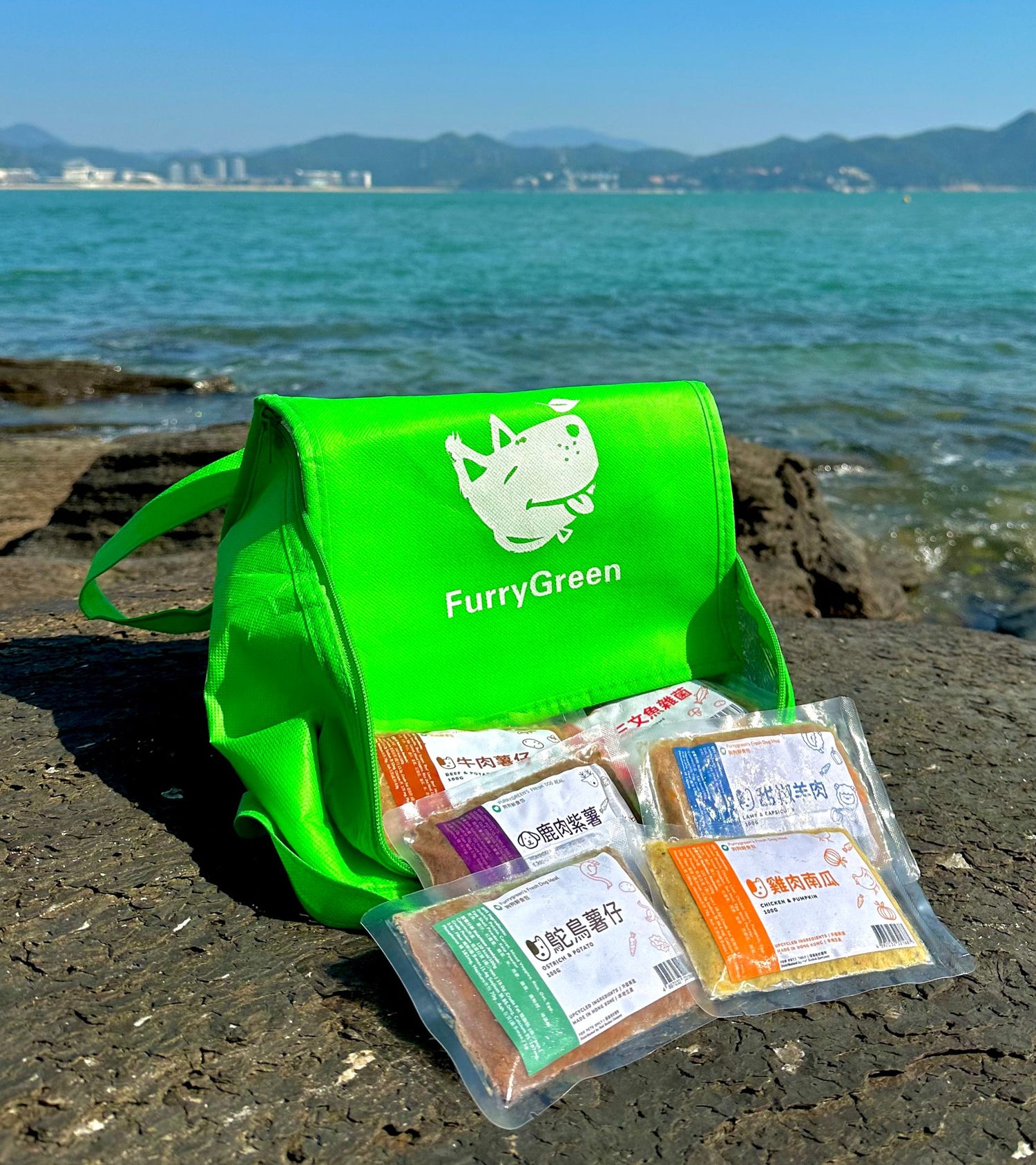
That is why brands like Furry Green Pets use carefully selected plant ingredients in fresh cat food — not to replace meat, but to balance it.
Want to give your cat the right balance of fresh meat and natural ingredients?
Explore Fresh Cat FoodWhat “Obligate Carnivore” Really Means
Unlike humans or dogs, cats cannot survive on a plant-based diet. They require specific nutrients that are naturally found in animal products.
- Taurine — supports heart health and vision
- Arachidonic acid — supports skin, coat, and immune function
- Vitamin A as retinol — cats need preformed vitamin A from animal sources
- High-quality animal protein — helps maintain lean muscle and energy
In short, meat must be the main part of your cat’s diet. But a small amount of safe plant matter can still be useful for digestive support.
Why Cats Can Benefit from Fiber
Wild cats eat prey whole, including fur, feathers, and other indigestible materials. These can act like natural fiber, helping food move through the digestive tract.
Indoor cats often eat finely prepared commercial diets that may lack texture. That is where a small amount of gentle plant fiber can help.
Fiber can help support more consistent bowel movements.
Gentle fiber may help move swallowed hair through the gut.
Some fibers can support a healthier digestive environment.
Fiber may also help cats feel fuller, which can be useful for indoor or neutered cats that are less active. As always, moderation matters.
Safe Fruits and Vegetables for Cats

When prepared properly, certain vegetables and fruits can be helpful additions to your cat’s diet. Always serve them in tiny portions and cooked or pureed when appropriate.
Good Options in Moderation
Gentle fiber that may help with constipation or loose stool.
A source of natural beta-carotene and antioxidants, not a replacement for animal-source vitamin A.
Contains antioxidants, but should be avoided if your cat has urinary or oxalate-related concerns.
Adds gentle fiber and may help some cats feel fuller.
Provides natural antioxidants in small, occasional amounts.
Preparation tips:
- Steam or boil vegetables until soft.
- Mash or blend into a fine puree.
- Avoid seasoning, oil, butter, garlic, onion, or salt.
- Introduce new foods slowly — start with about one teaspoon mixed into regular food.
Vegetables and Fruits Cats Should Avoid
Not all plant foods are safe for cats. Some can be toxic even in small amounts. Keep the following away from your cat’s bowl.
- Onions, garlic, chives, and leeks — may damage red blood cells and cause anemia
- Grapes and raisins — may cause kidney failure
- Chocolate and cocoa — toxic to the heart and nervous system
- Avocado — may cause digestive upset due to persin
- Xylitol — can cause dangerous low blood sugar
- Raw potatoes or raw tomatoes — may contain solanine, which is harmful to cats
If your cat eats any potentially toxic food, contact your veterinarian immediately.
How Furry Green Pets Balances Meat and Plants
At Furry Green Pets, every recipe starts with fresh meat as the main ingredient, providing the animal-based amino acids and nutrients cats need.
Then, a small amount of safe, natural plant ingredients such as pumpkin, carrots, and spinach may be added to support digestion, hydration, and gut health.
These ingredients are never used to replace meat. They are included to complement a meat-first diet with gentle fiber and plant-based antioxidants.
The Bottom Line
Cats are true carnivores and depend on meat for survival. But the right touch of safe vegetables or fruit, prepared properly and served in moderation, can support digestion, gut balance, and everyday wellness.
Think of vegetables as the side dish to your cat’s main meal — never the main course.
With Furry Green Pets Fresh Cat Food, your cat gets both: meat for strength, plants for balance, and freshness for health.
Give your cat fresh, balanced meals made with meat-first nutrition.
Shop Furry Green PetsFrequently Asked Questions
Yes. Cats can safely eat small amounts of certain vegetables. While cats must have meat as their primary food source, gentle plant fiber from pumpkin, carrots, or green beans can support digestion, reduce hairballs, and promote gut comfort. Vegetables should never replace meat in a cat’s diet.
Safe options include pumpkin, cooked carrots, spinach in moderation for cats without urinary issues, green beans, peas, and blueberries. Serve them plain, cooked or pureed when needed, and in tiny portions.
Avoid onions, garlic, chives, leeks, grapes, raisins, chocolate, cocoa, avocado, xylitol, raw potatoes, and raw tomatoes. If your cat eats any of these, contact your veterinarian immediately.
References
- National Research Council. Nutrient Requirements of Dogs and Cats. 2006.
- Zoran, D.L. “The carnivore connection to nutrition in cats.” Journal of the American Veterinary Medical Association, 221(11):1559–1567, 2002.
- Kanakupt, K. et al. “The effects of dietary fiber on nutrient digestibility and fecal microbiota in cats.” Journal of Animal Science, 89(11):3629–3636, 2011.
- ASPCA Animal Poison Control Center. Toxic and Non-Toxic Plants List. ASPCA.org