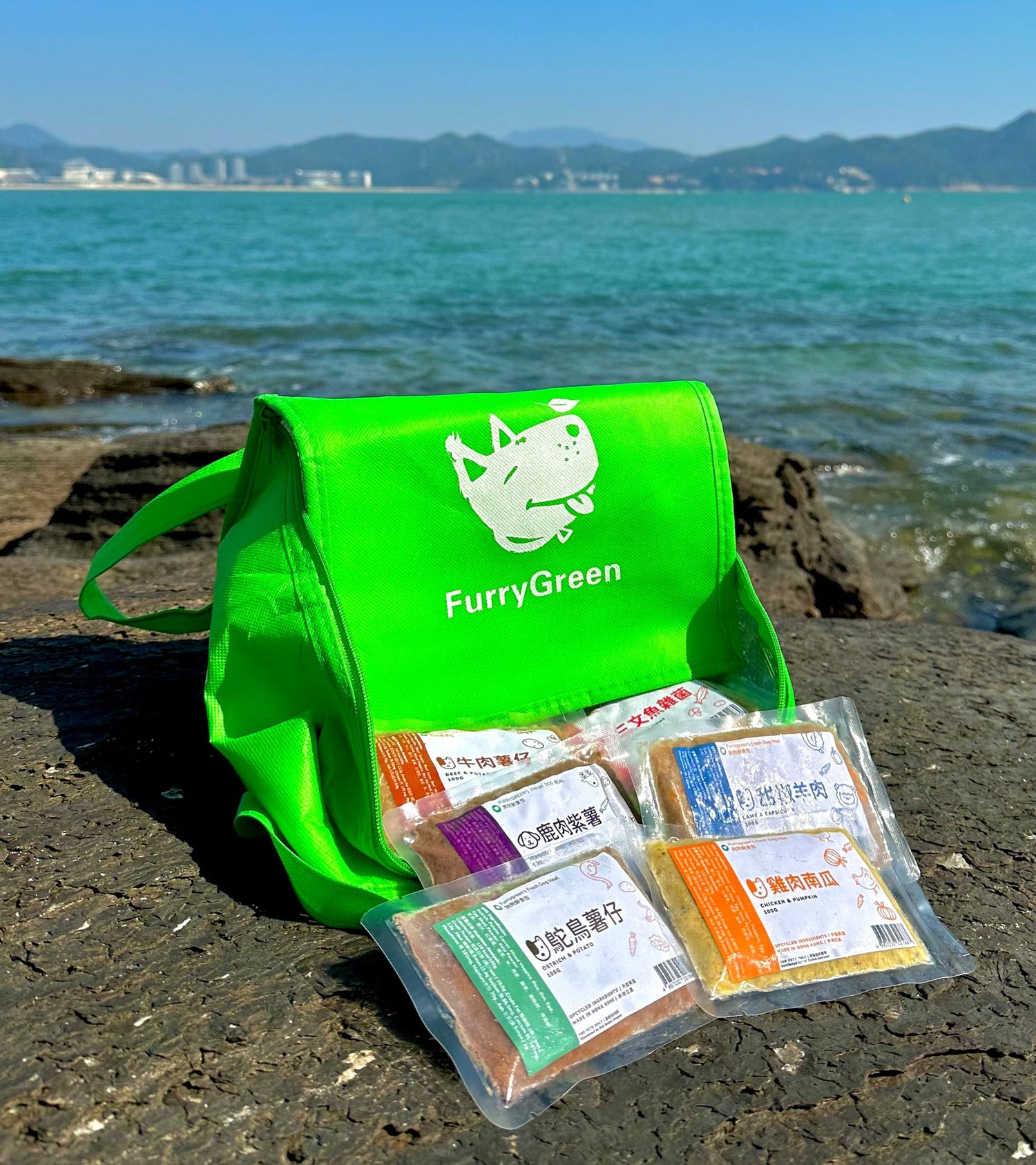

Canine IBD Explained: Why Fresh, Gently Cooked Food Helps Sensitive Stomachs
Key Takeaways
- IBD requires long-term dietary management, not just short-term fixes
- Fresh food is easier to digest and contains fewer inflammatory triggers than heavily processed kibble
- Novel proteins, high moisture content, and simple ingredient lists help sensitive stomachs recover
Many Hong Kong pet parents struggle with dogs who have "sensitive stomachs"—on-and-off vomiting, soft stool, diarrhea, or picky eating. Sometimes, this isn't just a mild stomach upset. It may be Inflammatory Bowel Disease (IBD), a chronic condition that affects a dog's digestive tract.
The good news? Nutrition plays a major role in managing IBD, and many dogs feel significantly better on fresh, gently cooked diets.
What Is Canine IBD?

IBD (Inflammatory Bowel Disease) happens when a dog's stomach or intestines stay inflamed for a long time. This inflammation makes it harder to digest food, absorb nutrients, and maintain a healthy gut lining.
Common signs of IBD
- Chronic or recurring diarrhea
- Vomiting (often on an empty stomach)
- Poor appetite or pickiness
- Weight loss
- Gurgly stomach
- Low energy
These symptoms often come and go, which is why many owners miss the early signs.
What causes IBD?
IBD is a mix of multiple factors:
- An overreactive immune system
- Imbalance in the gut microbiome
- Food sensitivities
- Genetics (Yorkies, German Shepherds, Boxers)
- Environmental stressors
IBD can't be cured, but it can be managed extremely well, and diet plays a central role.
Why Diet Matters So Much
The digestive system of an IBD dog is sensitive. Certain proteins, additives, or poorly digested ingredients can trigger inflammation. Because of this, diet is often the first and most important treatment.
Veterinarians frequently recommend:
- Novel proteins
- Hydrolyzed diets
- Limited-ingredient meals
- Fresh or gently cooked food
Fresh food is especially helpful because it's less processed and easier on the gut.
Benefits of Fresh, Gently Cooked Food for Dogs with IBD

1. Easier to Digest
Gently cooked meals use low heat, which preserves nutrients and keeps proteins easier to break down, reducing stress on an inflamed gut.
2. Fewer Possible Allergens
Single proteins, limited ingredients, and no artificial fillers or preservatives make it easier to avoid common triggers.
3. High Moisture Content
Fresh food naturally contains 70–75% water, helping hydration, stool quality, digestive comfort, and preventing constipation.
4. Naturally Anti-Inflammatory
More omega-3 fatty acids, vitamins, and antioxidants support healthier gut tissue.
5. Supports Gut Microbiome
Natural fibers and less-processed ingredients support beneficial bacteria and reduce inflammation.
6. Simple Ingredient Lists
With fewer variables, it's easier to identify whether your dog reacts to chicken, duck, beef, dairy, or grains.
7. Great for Picky Dogs
Fresh food smells and tastes better, helping dogs with poor appetite maintain proper nutrition.

Softer Texture for Easier Digestion
Gently cooked meals with a softer texture make digestion easier for dogs with sensitive stomachs — ideal for supporting IBD management alongside veterinary care.
Shop Fresh Dog FoodWhat to Look for in Fresh Food for IBD Dogs

Not all fresh food is created equal when you're managing IBD.
| Feature | Why It Matters for IBD |
|---|---|
| Novel protein options | Reduces chance of immune reaction |
| Limited ingredients | Easier to identify triggers |
| Low-temperature cooking | Preserves digestibility |
| High moisture content | Supports hydration and stool quality |
| No artificial additives | Fewer inflammatory triggers |
| Veterinary formulation | Ensures nutritional completeness |
Furry Green's gently cooked meals check all these boxes. The duck and fish recipes use single-protein sources that many Hong Kong dogs haven't been exposed to before. Each formula contains 8–10 whole-food ingredients, cooked at temperatures that preserve nutrients without creating digestive stress.
Because the meals are portioned and balanced by veterinary nutritionists, you don't have to worry about nutritional gaps while your dog heals.
Learn more:

How to Transition a Dog with IBD to Fresh Food
1. Go Slowly (7–10 Days)
Day 1–3
25% new food, 75% current diet
Day 4–6
50% new food, 50% current diet
Day 7–9
75% new food, 25% current diet
Day 10
100% new fresh food
2. Choose One Protein at a Time
Avoid introducing multiple proteins too quickly — this makes it easier to spot any reactions.
3. Feed Small, Frequent Meals
2–4 smaller meals throughout the day reduce digestive workload compared to one or two large meals.
4. Watch Fat Levels
Lower-fat foods are usually tolerated better by dogs with sensitive digestion.
5. When to Talk to a Vet
Read about: Can You Mix Fresh Food and Kibble?
How Furry Green Helps Support Dogs with Sensitive Digestion

Furry Green's gently cooked meals are designed with digestive health in mind:
- Human-grade ingredients
- Low-temperature gentle cooking
- Novel-protein options like duck and venison
- Simple, transparent ingredient lists
- High moisture content
- Formulas balanced by veterinary nutritionists
- Free from artificial preservatives or fillers
Fresh food offers a gentle, nourishing option for dogs who need extra digestive care.
Read about: Why Gently Cooked Dog Food is the Healthiest Choice for Senior Dogs
Hypoallergenic Combo for Dogs with Sensitive Stomachs
The Hypoallergenic Dogs Bundle (Lamb x Duck x Venison, 18pcs, frozen) offers rotating novel proteins ideal for dogs managing IBD or food sensitivities — currently $565.00 (reg. $624.00).
Shop Hypoallergenic BundleFrequently Asked Questions
Can fresh food cure my dog's IBD?
No. IBD is a chronic condition that requires lifelong management. But fresh food can significantly reduce symptoms and improve quality of life. Many dogs become symptom-free on the right diet, though the underlying condition remains.
How long does it take to see results?
Most dogs show improvement in stool quality within 2-4 weeks. Full benefits—better energy, healthier appetite, stable digestion—often take 2-3 months. Give it time.
Is fresh food more expensive than prescription kibble?
Often comparable or slightly higher. But consider: fewer vet visits for flare-ups, less medication, better quality of life. When you factor in long-term health costs, fresh food frequently balances out.
Should I add probiotics?
Many vets recommend probiotics for IBD dogs. They support gut bacteria diversity. Choose a veterinary-formulated probiotic with multiple bacterial strains. Add it after your dog has fully transitioned to fresh food and symptoms have stabilized.
Can I make fresh food at home for my IBD dog?
Possible, but risky. Homemade diets often lack proper nutrient balance, especially calcium, vitamin D, and essential fatty acids. If you want to cook at home, work with a veterinary nutritionist to create a complete recipe.
Final Thoughts
IBD can be stressful for both dogs and owners, but diet plays an incredibly powerful role in managing symptoms. Many dogs experience better stool quality, healthier appetite, and improved comfort on fresh, gently cooked meals.
If your dog struggles with chronic stomach issues, consider speaking with your veterinarian about trying a fresh-food trial.
Reference List
- Washabau RJ, Day MJ (Eds.) — Canine and Feline Gastroenterology, Elsevier, 2013. elsevier.com
- BSAVA Manual of Canine and Feline Gastroenterology, 3rd Edition. bsava.com
- Simpson KW, Jergens AE — "Rational investigation and management of chronic gastrointestinal signs in dogs and cats," Journal of Small Animal Practice (2011). pubmed.ncbi.nlm.nih.gov
- Hall EJ — "Diet and chronic enteropathies in dogs and cats," Journal of Nutrition (1998). academic.oup.com
- Bermudez Sanchez S, et al. — "Diet and the gastrointestinal microbiome of dogs and cats," Journal of Animal Science (2022). academic.oup.com
- Herstad KMV, et al. — "Stool quality and gut microbiome changes in dogs fed a gently cooked fresh diet versus kibble," Frontiers in Veterinary Science (2022). frontiersin.org
- Redfern A, Suchodolski JS — "Role of the microbiome in canine gastrointestinal disease," Veterinary Clinics of North America (2021). sciencedirect.com
- Suchodolski JS — "Intestinal microbiome in dogs and cats," Veterinary Clinics (2011). sciencedirect.com
- Case LP, Daristotle L, Hayek MG, Raasch MF — Canine and Feline Nutrition, 3rd ed. elsevier.com
- Carciofi AC, et al. — "Digestibility and fecal quality of six commercial dog diets," Animal Feed Science & Technology (2009). sciencedirect.com
- WSAVA Global Nutrition Toolkit. wsava.org
- eClinPath — Gastrointestinal Pathophysiology, Cornell University. eclinpath.com
- ACVIM Consensus Statements — Chronic Enteropathies. acvim.org
- VCA Hospitals — Inflammatory Bowel Disease in Dogs. vcahospitals.com
- Cornell University College of Veterinary Medicine — Gastrointestinal Disorders. vet.cornell.edu
Disclaimer: This content is for educational purposes only and does not replace veterinary advice. Always consult a veterinarian when making dietary changes for your pet