
Senior Dog Care: 8 Common Health Issues & How Fresh Food Helps Aging Dogs
Common Health Issues in Senior Dogs + How Fresh Food Supports Aging Pets
As dogs enter their senior years, their bodies change in predictable—and often subtle—ways. Age itself is not a disease, but it does increase the risk of certain conditions. Understanding these early and caring proactively can greatly improve a senior dog's comfort, mobility, and quality of life.
Below are eight of the most common health issues in senior dogs, explained simply for pet parents, followed by how fresh, gently cooked diets can support healthy aging.
🐾 1. Arthritis & Joint Pain

Arthritis is the most common senior dog problem. Wear-and-tear on cartilage causes stiffness, pain, and inflammation.
Signs:
• Difficulty rising
• Limping
• Stiff after resting
• Hesitation with stairs
Help:
• Weight control
• Omega-3 supplements
• Orthopedic beds
• Ramps + non-slip floors
Learn more about Dog's Arthritis
🦷 2. Dental Disease

Most senior dogs have some periodontal disease. Infection under the gumline can impact overall health.
Signs:
• Bad breath
• Tooth loss
• Red/bleeding gums
• Dropping food
Help:
• Daily brushing
• Professional cleanings
• Dental chews
Learn more about dog's dental problems:
The Ultimate Guide to Dog Oral Health
5 Common Oral Health Problems in Dogs
❤️ 3. Heart Disease

Heart disease progresses with age and may lead to congestive heart failure.
Signs:
• Night cough
• Fainting
• Fast/strained breathing
• Low stamina
Help:
• Heart scans & X-rays
• Weight control
• Cardiac medications
Learn more about heart disease:
What Pet Owners Need to Know About DCM
🩺 4. Kidney & Organ Disease
Aging reduces organ reserve, especially kidneys and liver.
Signs (Kidney):
• Increased drinking/urination
• Weight loss
• Poor appetite
Signs (Liver):
• Vomiting
• Diarrhea
• Jaundice
Help:
• Senior wellness blood panels
• Hydration
• Kidney/liver-supportive diets
🧠 5. Cognitive Dysfunction (Dog Dementia)

Age-related brain changes cause confusion and anxiety.
DISHA Signs:
• Disorientation
• Interaction changes
• Sleep changes
• House-soiling
• Activity changes
Help:
• Antioxidant diets
• DHA omega-3s
• Brain games
• Routines
👀 6. Vision & Hearing Loss
Age affects the eyes and inner ear.
Signs:
• Cloudy eyes
• Bumping into furniture
• No response to name
• Startling easily
Help:
• Stable furniture layout
• Hand signals
• Textured floor guides
⚖️ 7. Weight Changes
Seniors may gain weight due to slower metabolism — or lose weight due to disease.
Help:
• Body condition scoring
• Senior diets
• Gentle exercise
• Investigate unexplained weight loss
Learn more about weight management of senior dogs:
Is Your Furry Friend Too Fluffy?
How to Help Your Overweight Dog
Obesity-prone dog breeds and how to spot and prevent obesity
🎗️ 8. Cancer
Cancer risk rises significantly in older pets.
Signs:
• New/faster-growing lumps
• Weight loss
• Chronic GI upset
• Lameness
Help:
• Monthly lump checks
• Vet evaluation for any new mass
How Fresh, Gently Cooked Food Supports Senior Dogs
Why Digestibility Matters More as Dogs Age

Here's what happens to your dog's digestive system after age 7-8: enzyme production decreases, intestinal motility slows, and the gut microbiome shifts. A 2023 study in the Journal of Animal Physiology found that senior dogs absorb 15-20% fewer nutrients from the same food compared to their younger selves.
That's where processing method becomes critical.
Gently cooked fresh food retains approximately 90% protein digestibility, while typical kibble—subjected to high-heat extrusion at 150-200°C—averages around 80% digestibility.
The Muscle-Sparing Effect
Sarcopenia affects 50-60% of dogs over age 10. Fresh diets provide essential amino acids for muscle health.
What this looks like practically: Better stair climbing, easier transitions from lying to standing, sustained play with younger dogs in the household.
How Moisture Content Protects Aging Kidneys
Senior dogs' kidneys work hard, filtering waste and more. By age 10, most lose 25-30% of kidney function.
Fresh diets contain 70-75% water versus kibble's 8-10%. That 65-percentage-point difference translates to an additional 400-500ml daily water intake for a medium-sized dog—without relying on their diminishing thirst drive.
The Dehydration-Kidney Disease Connection
Chronic mild dehydration accelerates kidney decline. When water intake drops, urine becomes concentrated, increasing the kidney's workload and risk of crystal formation. Over months and years, this contributes to chronic kidney disease (CKD)—affecting 1 in 3 senior dogs.
According to the International Renal Interest Society, maintaining dilute urine (specific gravity below 1.030) slows CKD progression. Fresh food's inherent moisture helps achieve this naturally.
In Hong Kong's humid climate—where temperatures hit 30-33°C May through September—dehydration risk compounds. Older dogs pant less efficiently and drink less spontaneously. I've noticed that local vets increasingly recommend fresh diets specifically for hydration support during summer months.
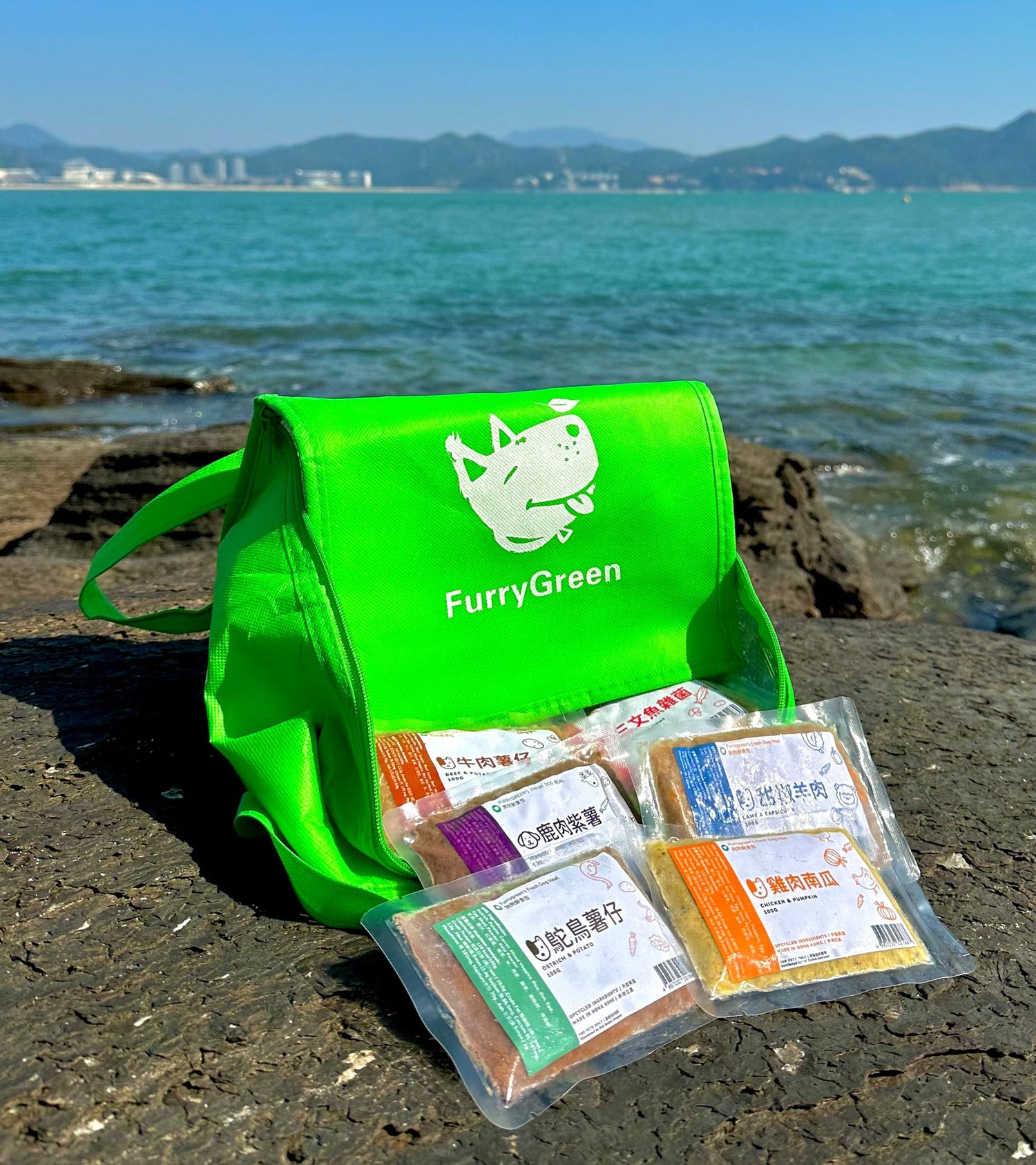
Furry Green's recipes help dogs with early kidney disease by balancing phosphorus levels and providing high moisture content to support kidney function.
Explore Our Fresh Food CollectionAnti-Inflammatory Nutrition for Joint Health
Approximately 80% of dogs over age 8 show radiographic evidence of osteoarthritis, though only 20-30% display obvious limping. The rest? Subtle changes—slower on walks, hesitant on stairs, reduced play, difficulty settling into sleep positions.
Fresh diets address arthritis through multiple mechanisms:
Omega-3 Fatty Acids (EPA & DHA)
Cold-water fish, particularly sardines and mackerel, provide EPA and DHA that directly inhibit inflammatory cytokines (IL-1β, TNF-α). Research from Cornell University's veterinary school found that dogs receiving 50-75mg EPA+DHA per kg body weight showed measurable improvement in ground reaction forces (a marker of joint comfort) within 6-8 weeks.
See Furry Green's Salmon Mushroom Fresh Food recipe
Antioxidant-Rich Whole Foods
Blueberries, spinach, and sweet potato contain anthocyanins, lutein, and beta-carotene—compounds that neutralize free radicals contributing to cartilage breakdown. Unlike synthetic supplements, whole food sources provide these nutrients with co-factors that enhance absorption.
Collagen from Bone Broth
Gently simmered bone broth (not high-heat processed) delivers glycosaminoglycans and type II collagen that support cartilage repair. While research on dietary collagen remains emerging, veterinary nutritionists note that dogs consuming collagen-rich fresh diets often show improved mobility alongside other interventions.
Practical observation: Dogs transitioning to anti-inflammatory fresh diets typically show subtle improvements—longer walks before tiring, easier morning movement after rest—within 3-4 weeks. Dramatic changes take 8-12 weeks as systemic inflammation decreases.
Brain Health and Cognitive Function
Canine cognitive dysfunction (CCD)—similar to human dementia—affects 14-35% of dogs over age 8, increasing to 68% by age 15. Signs include disorientation, altered sleep-wake cycles, decreased interaction, and house-soiling despite normal bladder control.
Diet influences cognitive health through several pathways:
DHA for Neuronal Membrane Health
DHA comprises 20% of brain fatty acid content and maintains neuronal membrane fluidity—critical for neurotransmitter function. A 2023 study in the Journal of Veterinary Internal Medicine found that senior dogs receiving DHA-enriched diets showed 30% slower cognitive decline over 18 months.
Antioxidants Combat Oxidative Stress
Fresh diets rich in vitamins and phytonutrients help neutralize oxidative damage in the aging brain. Research shows dogs eating antioxidant-rich food perform better on cognitive tasks.
Lower AGE Content
AGEs formed in high-heat cooking accumulate in aging brains and cause inflammation. Fresh diets reduce AGE levels by 40-50% in 8 weeks. Senior Hong Kong dogs face cognitive stress from environmental factors.
Furry Green's recipes include DHA-rich fish and antioxidant vegetables specifically formulated to support brain health—particularly valuable for seniors navigating high-stress urban environments.
Digestive Comfort and Microbiome Support
Senior dogs commonly develop:
- Reduced stomach acid production (affecting protein digestion)
- Slower intestinal transit (increasing gas and discomfort)
- Altered gut microbiome composition (fewer beneficial bacteria)
Fresh food addresses each challenge:
Easier Mechanical Digestion
Soft, moist texture requires less mechanical breakdown, ideal for dogs with dental disease.
Prebiotic Fiber from Vegetables
Sweet potato, pumpkin, and green beans provide soluble fiber that feeds beneficial gut bacteria (Lactobacillus, Bifidobacterium). A healthy microbiome improves nutrient absorption, synthesizes B vitamins and vitamin K, and modulates immune function.
Learn more about Dietary Fiber:
Dietary Fiber is the Secret to Dog Health
Safe Vegetables for Dogs
Reduced Digestive Inflammation
Fresh diets can benefit dogs with inflammatory bowel disease due to reduced gut irritation and improved digestibility.

Hong Kong–Specific Considerations for Senior Dogs
Hong Kong's climate, housing, and lifestyle create unique challenges for aging pets:
1. Hot, Humid Weather Increases Dehydration Risk
Fresh diets with high moisture help prevent dehydration in older dogs with weaker thirst drives.
2. Small Apartments Limit Movement
This can worsen arthritis. Home modifications—non-slip mats, ramps, orthopedic beds—are especially important.
3. Air Pollution & Allergens Can Worsen Heart & Lung Disease
Senior dogs with heart or respiratory disease benefit from indoor air purifiers and low-stress exercise.
4. High-Stress Urban Living
Noise and crowded environments can worsen anxiety and cognitive dysfunction. Enrichment toys, scent games, and predictable routines help reduce stress.
5. Access to Fresh Food Delivery Is Convenient
Busy Hong Kong schedules make routine meal prep difficult; fresh-food delivery services become practical options for consistent nutrition.
Owner-Friendly Checklist
12 Senior Dog Red Flags That Mean You Should See a Vet
(Print or save for easy reference!)
- Increased drinking or urination
- Coughing at night
- Difficulty rising or climbing stairs
- Loss of appetite or weight loss
- Sudden weight gain
- New or enlarging lumps
- Cloudy eyes or bumping into things
- Confusion or getting stuck in corners
- Strong bad breath or tooth loss
- Vomiting or diarrhea lasting > 24 hours
- Shortness of breath or exercise intolerance
- Behavioral changes (anxiety, pacing, withdrawal)
Frequently Asked Questions
When is a dog considered "senior"?
Small dogs: ~8–10 years
Medium dogs: ~7–9 years
Large/giant breeds: ~6–7 years
Age varies by size, genetics, and lifestyle.
How often should I take my senior dog to the vet?
Most veterinarians recommend twice-yearly checkups for early detection of disease.
Does fresh food replace veterinary diets?
No. Fresh food can complement veterinary care, but therapeutic diets (e.g., for kidney or heart disease) must follow a veterinarian's guidance.
Is fresh food safe for dogs with kidney disease?
Fresh diets can support kidney health if properly formulated. Dogs with diagnosed kidney disease require tailored recipes under veterinary guidance.
Can fresh diets really help with arthritis?
Fresh diets containing natural omega-3s and anti-inflammatory ingredients can support joint comfort, but they do not replace medications when needed.
What's the best protein for senior dogs?
Highly digestible proteins such as fish, chicken, turkey, and beef are generally excellent for seniors—quality matters more than the specific source.
CITATIONS
- Laflamme DP. Nutrition for aging cats and dogs. Vet Clin North Am Small Anim Pract. 2005.
- Freeman LM et al. Evaluation of protein digestibility in dogs. J Anim Physiol Anim Nutr. 2012.
- Davies M. Age-related changes in older dogs. J Small Anim Pract. 2018.
- Kealy RD et al. Effects of diet restriction on life span and aging in dogs. J Am Vet Med Assoc. 2002.
- Hall JA et al. Moisture intake and hydration in dogs. Front Vet Sci. 2021.
- Fahey GC et al. Effects of processing on nutrient availability in pet foods. J Anim Sci. 2009.
- Pan Y et al. Cognitive function in aging dogs fed antioxidant diet. J Vet Intern Med. 2010.
- Carciofi AC. Digestibility of minimally processed vs extruded diets. Vet Int J Nutr. 2020.
- Case LP et al. Canine and Feline Nutrition, 3rd ed.
- eClinPath.com (Cornell University College of Veterinary Medicine). General pathology and senior dog organ disease references.