
Tear Staining in Dogs: Causes, Care, and What Really Helps
Tear staining is a reddish-brown discoloration caused by porphyrins, iron-containing pigments in tears that oxidize when exposed to air. While often cosmetic, it signals excessive tearing (epiphora) caused by anything from blocked ducts and allergies to facial anatomy. Managing it requires a mix of hygiene, veterinary checks, and often, dietary improvements to reduce systemic inflammation.
Key Takeaways
- It's chemistry, not just dirt: The rusty color comes from iron pigments in tears reacting with oxygen and light.
- Humidity makes it worse: Hong Kong's humid climate encourages yeast and bacteria growth in damp fur, intensifying the stain and smell.
- Diet plays a role: While not a "cure-all," switching to fresh, gently cooked food can reduce the inflammation that triggers excess tearing.
What Is Tear Staining?
Tear staining refers to the reddish-brown discoloration that appears beneath a dog's eyes and along the muzzle. It happens when excess tears overflow and stay on the fur.
The color comes from porphyrins, iron-containing pigments naturally found in tears. When exposed to air and light, these pigments oxidize and stain light-colored fur. The staining itself is not a disease, but a visible sign of epiphora, or excessive tearing.
Dogs Most Prone to Tear Staining
Tear staining can occur in any dog, but it's more noticeable in:
- Toy Poodles
- Maltese
- Shih Tzus
- Bichons
- Pomeranians
- Chihuahuas
- Pekingese
White or light-colored coats show staining more clearly. Brachycephalic (short-faced) dogs may also be predisposed due to facial anatomy.
Why Does Tear Staining Happen?
Epiphora generally has two main causes, which may occur together.
1. Excess Tear Production (Secretory Epiphora)
Tears increase when the eye is irritated or inflamed. Common causes include:
- Abnormal eyelashes
- Distichiasis
- Ectopic cilia
- Eyelid abnormalities such as entropion (inward rolling)
- Inflammation of the eye (conjunctivitis, keratitis, uveitis)
- Increased eye pressure (glaucoma)
- Allergies or environmental irritants
2. Poor Tear Drainage (Obstructive Epiphora)
Tears are produced normally but cannot drain properly due to:
- Congenital narrowing or absence of the nasolacrimal ducts
- Inflammation or infection of the tear ducts
- Facial structure that interferes with drainage
The Diet Connection: Healing from the Inside Out

This is where many pet parents miss a trick. While you can't change your dog's anatomy, you can influence their systemic inflammation.
Commercial kibble often contains high-heat processed ingredients, fillers, and additives that can trigger low-grade inflammation in the body. When the body is inflamed, the immune system overreacts, potentially leading to more discharge and tearing.
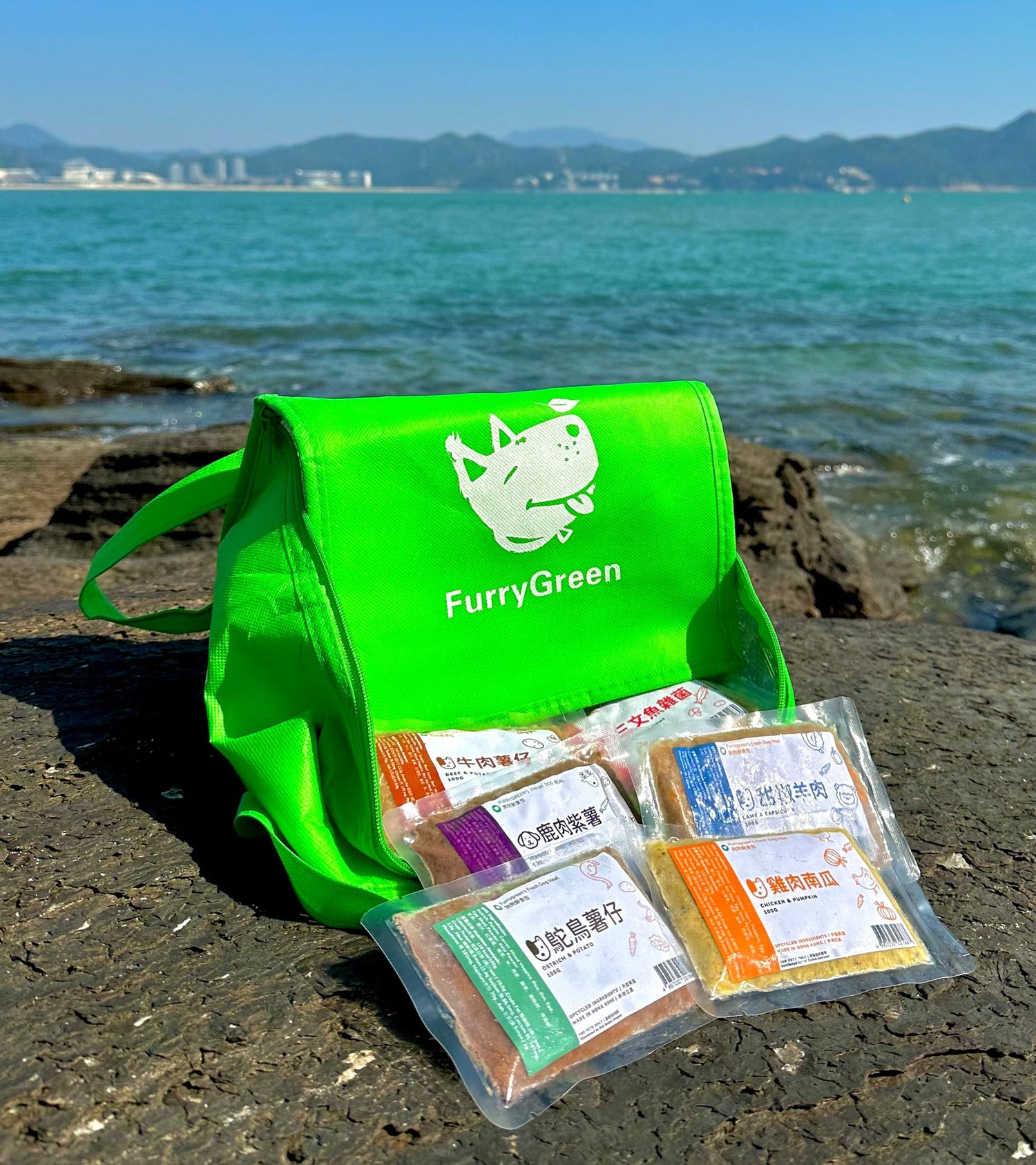
This is where Furry Green comes into the picture. We've seen significant changes in dogs after transitioning to our gently cooked meals. By eliminating processed fillers and focusing on human-grade proteins and fresh vegetables, we reduce the "inflammatory load" on the dog's system.

Duck & Sweet Potato Recipe — rich in high-quality protein but easy on digestion. When gut health improves, we often see a reduction in allergic responses, meaning less eye irritation and less tearing. It's not magic; it's just biology.
If you're a Bichon parent, you might want to learn how food and diet can affect tear staining
Why Tear Staining Can Worsen Over Time
Constant moisture around the eyes creates a warm, damp environment that encourages:
- Bacterial growth
- Yeast overgrowth (Malassezia)
- Skin irritation and odor
Secondary skin inflammation can further increase tearing, creating a cycle that worsens staining if left unmanaged.
Learn more about skin inflammation and other skin conditions for dogs:
How Veterinarians Evaluate Tear Staining
A veterinary visit focuses on why the tears are excessive, not just the staining. Common diagnostic steps include:
- Fluorescein staining to assess corneal health and tear drainage
- Schirmer tear test to rule out dry eye with reflex tearing
- Nasolacrimal duct flushing
- Tonometry to measure eye pressure
- Slit-lamp examination of eyelids and ocular structures
Veterinary Treatment Options

Treatment depends on the underlying cause and may include:
- Flushing blocked tear ducts
- Surgical correction for eyelid or eyelash abnormalities
- Medications such as:
- Antibiotics (if infection is present)
- Anti-inflammatory or anti-allergy medications
- Steroid or non-steroidal eye drops (when appropriate)
Correcting the cause often reduces tearing—and staining—over time.
Home Care: What Helps (and What to Avoid)
Home care does not cure tear staining, but it can reduce buildup and prevent skin problems.
Helpful Habits
- Gently wipe the area daily with a soft cotton pad
- Keep facial hair trimmed and dry
- Use veterinarian-approved tear stain wipes if recommended
Boric Acid Solution (Use with Caution)
- 2% concentration only (3 g boric acid in 150 ml purified water)
- Use on fur only, never inside the eye
- Store refrigerated and discard after 2 weeks
- Avoid in puppies or dogs that lick excessively
⚠️ Boric acid is toxic if ingested. Always confirm safety with your veterinarian.
Managing the Stains: A Holistic Approach
You can't just wipe the problem away, but you can manage it. Here is how different approaches stack up:
| Approach | What it Does | Pros | Cons |
|---|---|---|---|
| Topical Wipes | Cleans the surface fur. | Removes bacteria/yeast buildup; reduces smell. | Does not stop new tears; temporary fix. |
| Antibiotics | Kills bacteria. | Can clear infections quickly. | Not recommended for long-term use; risk of resistance. |
| Fresh Diet (Furry Green) | Reduces systemic inflammation. | Improves overall health; reduces allergic tearing naturally. | Takes 4-6 weeks to see visible results as new fur grows in. |
| Surgery | Corrects anatomy. | Fixes entropion or blocked ducts permanently. | Invasive; requires anesthesia and recovery time. |
Reduce Inflammation. Support Eye Health. Start with Fresh Food.
Our gently cooked meals are designed to reduce systemic inflammation that contributes to excess tearing. Real ingredients. No fillers. Just pure nutrition for your dog.
Shop Dog Food CollectionFAQ: Tear Stain Troubleshooting
Can I use Angel Eyes or antibiotics to stop staining?
We strongly advise against using products containing antibiotics (like Tylosin) for cosmetic purposes unless prescribed by a vet. Long-term use contributes to antibiotic resistance.
Will apple cider vinegar help reduce tear staining?
Some owners add a teaspoon to water to change the body's pH, making it hostile to yeast. However, results vary, and it can upset some stomachs. Always start with a tiny amount.
How long does it take for stains to go away after switching to fresh food?
The stained fur won't turn white again—it has to grow out. After switching to a fresh diet like Furry Green, watch the new hair growth at the root. You should see a difference within 4-6 weeks.
Why does my dog smell like old coins or damp clothes?
That "rusty" smell is usually a sign of a yeast or bacterial infection in the wet fur. You need to treat the skin infection, not just wipe the tears.
References
- Gelatt KN et al. Veterinary Ophthalmology, 6th ed. Wiley-Blackwell.
- Scotti R et al. Modified parotid duct transposition for epiphora in dogs. J Small Anim Pract. 2007.
- Yi NY et al. Medial canthoplasty for epiphora in dogs. J Am Anim Hosp Assoc. 2006.
- eClinPath. Tear Film and Ocular Diagnostics. Cornell University.