
How Fresh Food Helped Benji Rediscover His Appetite at 17 🐶
For many dog parents, there's nothing more rewarding than seeing our pets happy, energetic, and excited for mealtime. Today, we're sharing the heartwarming journey of Benji, a 17-year-old Chihuahua whose owner never gave up on helping him feel his best—especially after he developed chronic kidney disease and struggled with a declining appetite.
This is not a medical claim or a treatment guide, but simply one dog parent's experience and a reminder of how important nutrition and veterinary care are for our pets' well-being.
Meet Benji: A Senior Chihuahua Facing Big Health Challenges
For 2–3 years, Benji had been living with chronic kidney disease (CKD)—a common condition in older dogs. One of the toughest parts for his owner was watching him lose interest in food. Even with medication prescribed by his veterinarian, Benji often refused meals and ate only tiny amounts throughout the day.
In June 2023, his health took a sudden downturn. He developed severe vomiting and diarrhea, and blood tests showed:
- Pancreatitis
- An elevated creatinine level of 382 µmol/L, indicating reduced kidney filtration
These conditions frequently occur together in older dogs and can significantly reduce appetite.

Benji, a 17-year-old Chihuahua with kidney disease

In June 2023, Benji experienced severe vomiting and diarrhea. Blood tests revealed pancreatitis and elevated kidney index (CREA level of 382)

Benji's appetite remained poor despite veterinarian's prescribed medication
Trying Everything to Help Benji Eat Again
Like many dedicated dog parents, Benji's owner tried multiple strategies to spark his appetite:
- Home-cooked meals (chicken, salmon)
- Mixing fresh foods with kibble
- Various canned foods with different textures and aromas
Despite all these efforts, Benji continued to show little interest in eating. His owner worried about his nutrition, strength, and overall comfort.
Discovering a Fresh Option Benji Actually Loved

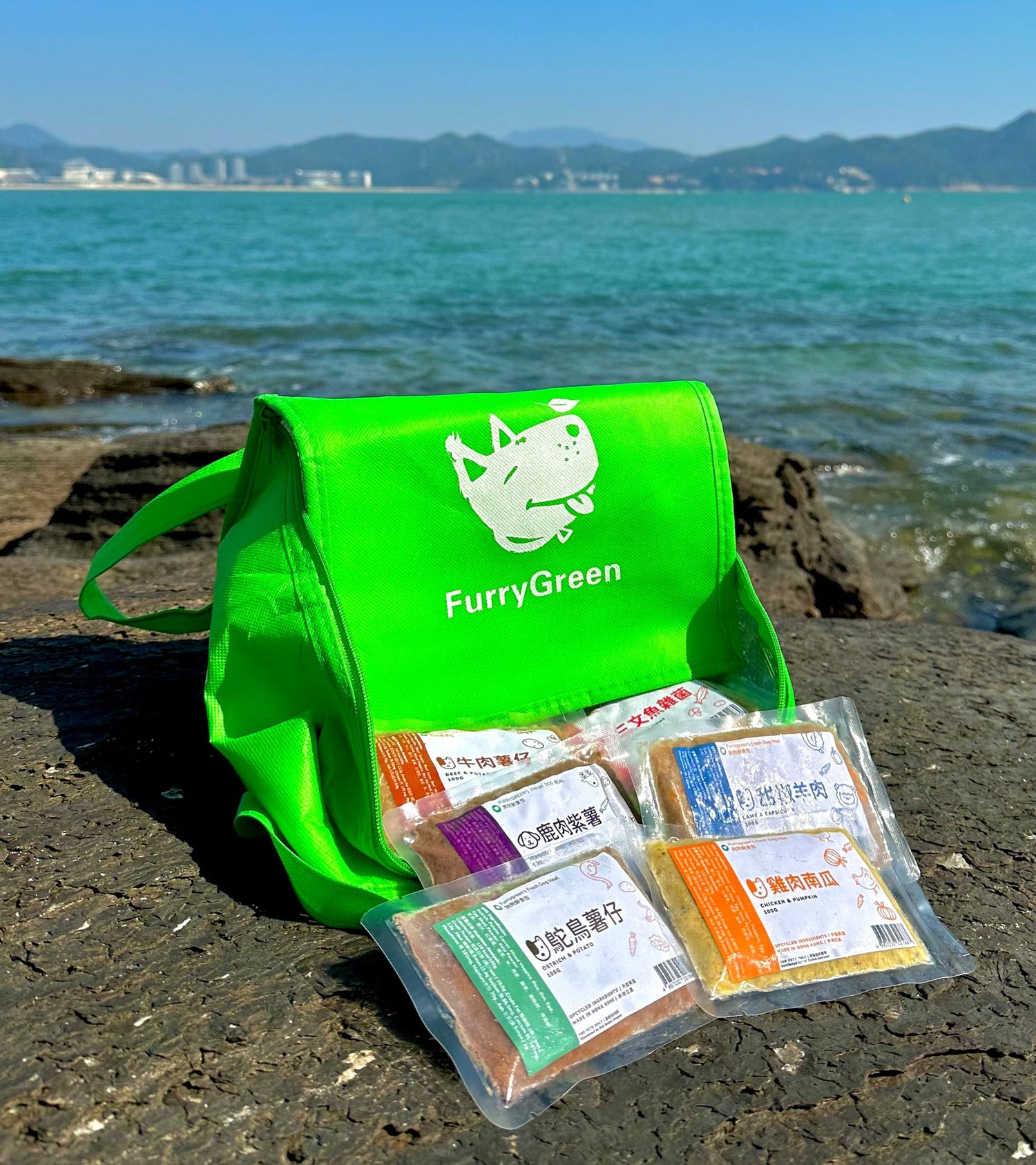
Benji's owner heard about Furry Green's fresh pet food from a friend and decided to give it a try
A friend then suggested to Benji's owner that she try Furry Green's fresh pet food. Benji had just recovered from his difficult stretch, and his owner was skeptical — but figured there was no harm in offering him a small portion.
To their surprise, Benji finished every bite on his very first try. From then on, he would walk over on his own at every mealtime, tail wagging, waiting for his bowl. For his owner, seeing Benji look forward to food again was the biggest relief of all.
Every dog is different — we cannot guarantee Furry Green is right for every senior dog. But for Benji, finding a food he truly loves has been the most meaningful part of this chapter.
Give Your Pet the Fresh Food They Deserve
If your senior dog has also started losing interest in regular kibble, why not give Furry Green's fresh pet food a try? We use sous-vide to lock in moisture and nutrition, with 6 single-protein recipes, all freshly made in our licensed Hong Kong kitchen, and 5 free-from — no additives, no artificial colours, no preservatives, no fillers.
Explore Furry Green's dog foodA Noticeable Change in His Kidney Numbers
By October—after several months of consistent feeding—Benji returned to his veterinarian for follow-up testing. His creatinine level had decreased to 182 µmol/L.
Changes in creatinine can be influenced by many factors such as hydration, disease progression, and overall clinical management. So while we cannot attribute the change to diet alone, Benji's owner was thrilled to see improvement during this period, especially given how much better he was eating and feeling.

In October, Benji's kidney index dropped to 182 after several months on Furry Green's fresh pet food
A Happier Senior Pup at Mealtime
Now, every time his owner prepares Furry Green, Benji trots over on his own, tail wagging, waiting for his bowl. At 17 years old, these simple moments are the ones his owner treasures most.
His owner shares Benji's story in hopes of encouraging other pet parents:
- If your senior dog starts losing interest in food, don't give up — keep looking, and you will find what works for them
- Stay in close communication with your vet — any dietary change can be discussed with them
- A food your dog truly loves is a gift — both for their daily life and for your peace of mind as a pet parent
Final Thoughts
Every dog is unique. Sometimes a softer texture and a more appealing aroma is all it takes to help a senior dog enjoy mealtime again.
If your dog has any health considerations, any dietary adjustment should always be discussed with your vet first. The most important thing is finding a food your dog loves to eat — and that you feel good about as a pet parent — so that every meal is a happy one.
(Friendly reminder: This article is one owner's experience, not medical advice. Every dog is different, so please follow your vet's professional judgement.)
Frequently Asked Questions
What should I do if my senior dog loses their appetite?
First, consult your veterinarian to rule out underlying health conditions like kidney disease or pancreatitis. Try offering fresh, palatable food options and consider smaller, more frequent meals. Working closely with your vet to address both medical and nutritional needs is essential for senior dogs.
Can fresh food help dogs with chronic kidney disease?
Fresh food can be beneficial for some dogs with kidney disease, as palatability often improves appetite. However, dietary changes must always be discussed with your veterinarian, who can ensure the food meets specific nutritional requirements for renal support, including appropriate protein and phosphorus levels.
How can I monitor my dog's kidney health at home?
Regular vet check-ups are the most important thing. At home, you can pay attention to your dog's appetite, water intake, toilet frequency, energy levels, and overall demeanour. If you notice any significant changes, book a vet visit promptly for an assessment.
References (Educational Resources)
These resources explain concepts mentioned in Benji's story (creatinine, kidney disease, pancreatitis), and are approved for educational use:
This article follows general senior-dog care guidance from the American Veterinary Medical Association (AVMA): https://www.avma.org/resources-tools/pet-owners
-
eClinPath – Renal Disease and Creatinine
Cornell University College of Veterinary Medicine
https://eclinpath.com/chemistry/kidney/ -
eClinPath – Pancreatitis
Cornell University College of Veterinary Medicine
https://eclinpath.com/chemistry/pancreas/ -
Stockham SL & Scott MA. Fundamentals of Veterinary Clinical Pathology. 2nd ed.
(Open, legally licensed excerpts uploaded to this GPT) -
Weiss DJ & Wardrop KJ. Schalm's Veterinary Hematology. 6th ed.
(Open, legally licensed excerpts uploaded to this GPT) -
International Renal Interest Society (IRIS).
IRIS Staging of CKD in Dogs
https://iris-kidney.com