

A customer kindly shared their cat's journey — the remarkable health improvements their cat experienced after incorporating Furry Green fresh food and various supplements into their daily routine. Below are the health updates from their cat over a period of several months.
Key Takeaway: A cat diagnosed with chronic Inflammatory Bowel Disease (IBD) showed significant improvements in digestion, appetite, and coat condition after transitioning to a fresh food diet supported by probiotics and nutritional supplements. Vomiting frequency dropped from daily to once every two weeks, and the cat regained energy and condition over the course of three months.
From Illness to Recovery: One Cat's Real Story
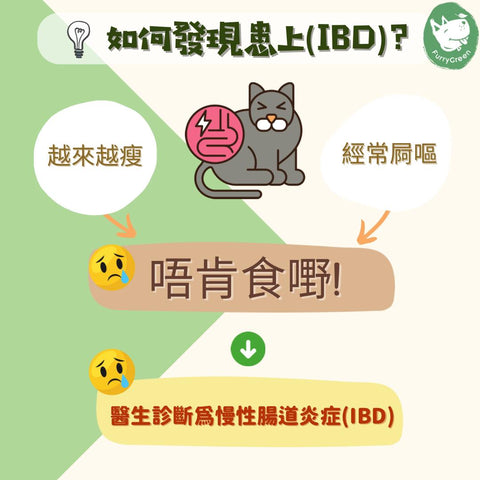
When a customer noticed their cat losing weight and vomiting frequently, they knew something was seriously wrong. At first, the cat refused to eat dry food — then stopped eating altogether. A visit to the veterinarian confirmed a diagnosis of chronic Inflammatory Bowel Disease (IBD).
The customer was determined to help their cat but worried they lacked the nutritional expertise to prepare a properly balanced diet for a sick cat. They eventually discovered Furry Green fresh cat food — made from natural ingredients, completely free from preservatives and artificial additives. Alongside the new diet, they introduced a probiotic powder and nutritional paste to support their cat's digestive system.

The Challenge of Home-Cooking for a Cat with IBD
Preparing a nutritionally balanced home-cooked diet is not only time-consuming — it requires a considerable level of dietary expertise. The customer was concerned that their homemade meals might not provide adequate nutrition for their cat, especially given the cat's compromised health.
This led them to search for a trustworthy fresh food brand on the market, which is when they found us — Furry Green, offering high-quality fresh food at a reasonable price.

Remarkable Improvements in This Cat's IBD Condition
The cat is now consistently eating Furry Green fresh cat food, alongside a probiotic powder and nutritional paste. After three months on this combined routine, the cat's condition had stabilised significantly by the second month.
Vomiting, which had previously occurred every single day, has now reduced to approximately once every two weeks. The coat has also become noticeably healthier and more lustrous.
The Customer's Experience with IBD Treatment Results
"The cat is now on Furry Green fresh food, together with a probiotic powder and nutritional paste. After three months on all of them simultaneously, the condition stabilised by the second month. Previously vomiting every day — now it's only once every two weeks, and the coat has become much healthier and shinier."
The customer shared that they will continue choosing Furry Green fresh food for their beloved cat.

Health Improvement Timeline: Before vs. After
| Time Period | Symptoms & Health Status | Diet & Care |
|---|---|---|
| Before Dietary Change |
|
Dry food or standard wet food; no supplements. |
| Month 1 |
|
Transitioned to fresh food diet; introduced probiotic powder and nutritional paste. |
| Month 2 |
|
Continued same diet and supplement routine. |
| Month 3 |
|
Maintained diet and supplement routine. |
Furry Green Recommended Products for Cats with IBD
Give Your Cat a Healthier Diet Today
Many customers have witnessed incredible transformations in their cats. Browse the full Furry Green fresh food range now, or reach out to us directly via WhatsApp for personalised advice.
A Complete Guide to Feline Inflammatory Bowel Disease (IBD)
Inflammatory Bowel Disease is a chronic condition in which immune cells infiltrate the gastrointestinal tract, causing inflammation and disrupting normal digestive function. Managing it effectively requires a thorough understanding of its causes, symptoms, and treatment options.
What Causes IBD in Cats?
- Abnormal immune response to food or gut bacteria
- Food allergies or intolerances
- Genetic predisposition (certain pedigree breeds may be more susceptible)
- Imbalance in the gut microbiome
Want to learn more about how carrageenan affects cats with IBD? Read: Why Carrageenan Is Bad for Cats and Dogs
Common Symptoms to Watch For
- Chronic vomiting (particularly when the stomach is affected)
- Chronic diarrhoea (when the intestines are involved)
- Persistent weight loss
- Decreased or inconsistent appetite
- Lethargy and general low energy
- Occasional blood in stool, or increased appetite due to poor nutrient absorption
Diagnosis and Treatment
Diagnosis typically requires veterinary ultrasound and tissue biopsy. As there is currently no cure, treatment focuses on effective disease management.
- Dietary management: Transitioning to novel or hydrolysed protein diets can reduce immune system overreaction. Natural fresh food ingredients are often better tolerated by cats with IBD.
- Medication: Moderate to severe cases may require corticosteroids or other immunosuppressive drugs.
- Supportive care: Probiotics, nutritional supplements, and adequate hydration all contribute to improved overall gut health.
Important Note: IBD management must always be carried out under veterinary supervision, as its symptoms can closely resemble those of intestinal lymphoma, parasites, or infection — conditions that require very different treatments.
Frequently Asked Questions
What are the early signs of IBD in cats?
Early signs of IBD in cats typically include chronic vomiting, diarrhoea, noticeable weight loss, and changes in appetite. Some cats may become lethargic or develop a noticeably dull coat. Because these symptoms can closely mimic other serious conditions, a proper veterinary diagnosis is essential — never try to self-diagnose.
Can a fresh food diet really help cats with IBD?
Yes, a fresh food diet can be highly beneficial for cats with IBD. These diets typically feature high-quality, limited, or novel proteins that are less likely to trigger immune responses. The high moisture content and absence of artificial additives also support better digestion and nutrient absorption — as clearly demonstrated in the real-life case shared in this article.
How long does it take to see improvement after changing a cat's diet?
The timeline varies from cat to cat. As seen in this customer's experience, initial appetite improvements may appear within the first month, while more noticeable stabilisation — such as reduced vomiting and an improved coat — typically becomes clear by the second to third month. Consistency is key, and all dietary changes should be made under veterinary guidance.
References
- Cornell Feline Health Center. Inflammatory Bowel Disease (IBD) in Cats. Cornell University College of Veterinary Medicine. 2024.
- WSAVA Gastrointestinal Standardization Group. Inflammatory Bowel Disease in Cats and Dogs. World Small Animal Veterinary Association.
- eClinPath. Inflammatory Bowel Disease. Cornell University College of Veterinary Medicine.
- Jergens AE, Simpson KW. Inflammatory bowel disease in veterinary medicine. Journal of Veterinary Internal Medicine. 2012;26(4):733–744.
Related Article:
Senior Cat Care 101: The Ultimate Guide to Caring for Your Ageing Feline


2 comments
Hello Belinda, this is Pocky from Furry Green. All the ingredients of our duck recipe for cats are here: Duck Breast,Pumpkin,Carrots,Duck Broth, Egg, Egg Shell Powder, Kelp Powder. Duck Broth is made with only duck bones and boiled for hours.
see our product here: https://furrygreen.hk/products/duck-duck-soup-fresh-meal-for-cats-%E9%B4%A8%E8%82%89%E9%B4%A8%E6%B9%AF%E9%AE%AE%E9%A3%9F%E8%B2%93%E9%AE%AE%E9%A3%9F-80g
Thank you for your inquiry
I need a list of ALL ingredients that are in the duck soup. My 12 year old female cat has IBD