
Can Dogs Eat Canned Tuna? Risks, Safer Options, and What to Do
Canned tuna is not recommended as regular dog food — most products contain salt, oil, or additives that accumulate harm over time. A small amount of plain, unsalted tuna in water given occasionally is unlikely to cause problems.
- Most canned tuna contains sodium and fat levels unsafe for regular canine consumption
- Mercury accumulation is a genuine risk with frequent feeding, especially from larger species like albacore
- If your dog eats a small amount of plain tuna in water, monitor at home — no emergency action needed
What's Actually in Canned Tuna

Tuna contains real nutritional value. The problem isn't the fish — it's the processing.
Protein
- Supports muscle and tissue structure
- Contributes to enzyme and hormone function
- Provides energy
Omega-3 Fatty Acids (EPA and DHA)
- Anti-inflammatory properties
- Support skin, coat, and neurological health
- May slow progression of chronic diseases, including kidney disease
Niacin (Vitamin B3)
- Supports energy metabolism
- Important for skin and nervous system health
The Real Risks for Dogs

Salt Content
Most canned tuna contains added sodium. Too much causes hypernatremia (elevated blood sodium), which can produce:
- Lethargy
- Vomiting
- Tremors or seizures in severe cases
Dogs with heart disease, kidney disease, or hypertension are especially vulnerable.
Oil and Fat
Oil-packed tuna is high in fat. Excess fat intake can trigger:
- Gastrointestinal upset (vomiting, diarrhea)
- Pancreatitis in susceptible dogs
- Weight gain over time
A Beagle owner in Taikoo told me her dog had two bouts of pancreatitis in one year — both traced back to high-fat table scraps, including oil-packed canned fish.
Mercury (Methylmercury)
Larger tuna species like albacore accumulate methylmercury in their tissues.
- Risk increases with frequent or long-term feeding
- Occasional small amounts are unlikely to cause toxicity
- Prolonged excess intake may damage the nervous system
Allergic Reactions
Some dogs are allergic to fish. Watch for:
- Vomiting or diarrhea
- Itching or skin inflammation
- Facial swelling or hives
- Lethargy
If any of these appear, contact your vet.
How Canned Tuna Compares to Other Canned Fish
Not all canned fish carries the same risk.
| Fish | Pack Type | Sodium Risk | Mercury Risk | Occasional Use |
|---|---|---|---|---|
| Tuna (albacore) | Water, no salt | Low | High | Small amounts only |
| Tuna (albacore) | Oil or salted | High | High | Not recommended |
| Sardines | Water, no salt | Low | Low | Safer option |
| Salmon | Water, no salt | Low | Low | Safer option |
| Any canned fish | Oil or seasoned | High | Varies | Avoid |
Canned fish is not a suitable staple. Dog-specific diets are more appropriate for balanced daily nutrition.
A Safer Way to Add Fish to Your Dog's Diet
If your dog does well on fish, there are far better ways to include it than canned tuna.
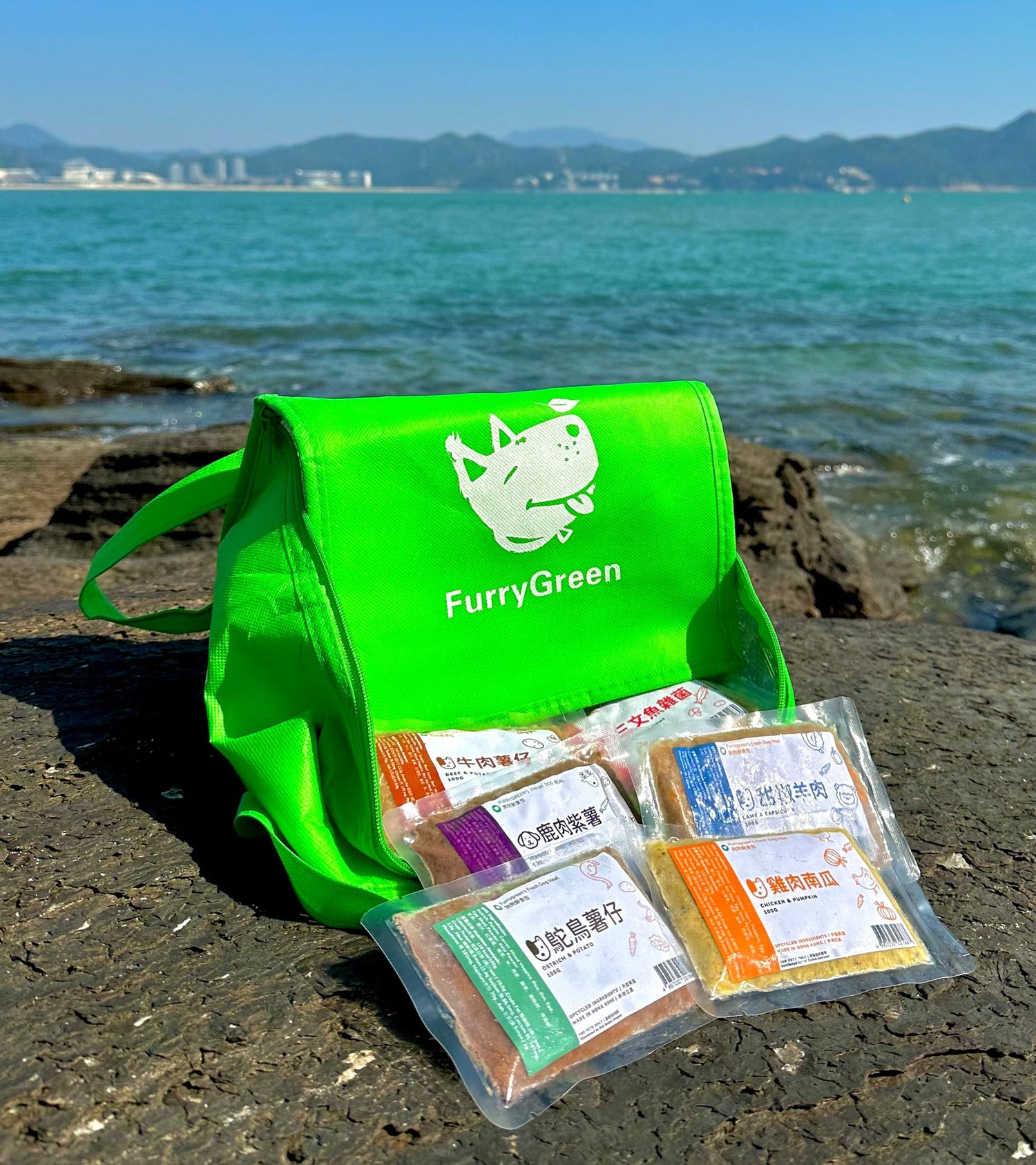
Furry Green Salmon & Mushroom Fresh Dog Food is formulated specifically for dogs — not repurposed from human canning.
Here's how it compares to typical canned tuna:
| Canned Tuna (salted) | Furry Green Salmon & Mushroom | |
|---|---|---|
| Sodium per 100g | 250–400mg (varies) | 34.5mg |
| Added salt | Often yes | No |
| Mercury risk | Moderate–high | Low (Salmon + Grouper) |
| Made for dogs | No | Yes |
What's inside:

If Your Dog Already Ate Some
- Monitor at home
- No action needed if your dog stays normal
- A large amount was consumed
- The product was high in salt or oil
- Vomiting or diarrhea
- Lethargy
- Tremors or unusual behaviour
- Skin reactions
- What was eaten (product type)
- How much
- When it was consumed
Frequently Asked Questions
Can I give my dog canned tuna as a treat?
It's not the best choice. Small amounts of plain, unsalted tuna in water are unlikely to cause immediate harm — but healthier options exist. Avoid making it a habit, and never use oil-packed or salted products. If you want a fish-based treat, look for options formulated specifically for dogs.
What type of canned tuna is safest for dogs?
Tuna packed in water with no added salt, seasonings, or additives is the lowest-risk option. Even then, feed only small amounts occasionally — not as a regular part of their diet.
How much canned tuna can a dog eat?
Keep portions small:
- Small dogs: about 1 teaspoon
- Medium to large dogs: about 1 tablespoon
Avoid frequent feeding regardless of portion size.
Is canned fish ever good for dogs?
Some plain, low-sodium options — like sardines or salmon packed in water — are occasionally fine. But canned fish for human consumption isn't formulated for canine nutritional needs. Dog-specific diets remain the more appropriate daily choice.
Are some dogs more at risk from canned tuna?
Yes. Dogs with heart disease, kidney disease, hypertension, or a history of pancreatitis should avoid canned tuna entirely. If your dog has reacted to fish-based foods before, rule out a fish allergy before offering any canned fish.