
Can Dogs Eat Salmon? Benefits, Risks & Safe Feeding Tips
Quick Answer: Yes — cooked, unseasoned, boneless salmon is safe for dogs and one of the best natural sources of omega-3 fatty acids. Never feed raw salmon; it can carry parasites that cause a potentially fatal condition called salmon poisoning disease.
- Plain cooked salmon supports skin, coat, and joints through EPA and DHA — two omega-3 fatty acids dogs can't produce on their own
- Raw or undercooked salmon risks salmon poisoning disease, caused by a parasite-transmitted bacteria that can be fatal without treatment
- Treat salmon as a supplement, not a staple — 1–2 times per week in small amounts
Why Salmon Is Actually Good for Dogs
Salmon earns its reputation. It's one of the few whole foods that delivers high-quality protein and meaningful omega-3s in a single serving.
Omega-3 Fatty Acids (EPA and DHA)
EPA and DHA reduce chronic inflammation, support skin barrier function, and may ease joint pain in dogs with early osteoarthritis. A 2023 review in Veterinary Dermatology found omega-3 supplementation reduced allergy-related itching in 60% of dogs studied.
For city dogs spending hours in air-conditioned apartments — dry coat, flaky skin — this is directly relevant.

Protein and Micronutrients
Salmon also delivers complete amino acid profiles alongside vitamin D, B12, niacin, and selenium. These support immune function, metabolism, and muscle maintenance throughout your dog's life.
The Risks You Shouldn't Skip
Raw Salmon: A Serious Hazard
Raw or undercooked salmon can carry a parasite (Nanophyetus salmincola) that transmits Neorickettsia helminthoeca — the bacteria behind salmon poisoning disease (SPD). Symptoms include vomiting, diarrhea, fever, lethargy, and swollen lymph nodes. Without treatment, SPD can be fatal within 14 days.
SPD is most reported in the Pacific Northwest, but the parasite risk alone is reason enough to never feed raw salmon — wherever you live.
Seasonings, Salt, and Oil
Garlic and onion are toxic to dogs. Salt disrupts sodium balance. Oil adds unnecessary fat. Salmon cooked for humans almost always contains at least one of these. None belong in your dog's bowl.
Bones and Fat
Cooked salmon bones splinter easily — small fragments can cause choking or gut injury. And salmon skin, in large amounts, can trigger pancreatitis, especially in predisposed breeds like Schnauzers and Miniature Poodles.
How to Feed Salmon Safely

| Preparation | Safe? | Notes |
|---|---|---|
| Boiled, plain | ✅ Yes | Best option |
| Baked, no seasoning | ✅ Yes | Remove skin if fatty |
| Steamed | ✅ Yes | Good for picky eaters |
| Canned in water, no salt | ⚠️ Occasional | Check label carefully |
| Raw | ❌ No | Parasite risk — always |
| Oil-packed or seasoned | ❌ No | Skip entirely |
A Shiba Inu owner from Kennedy Town asked recently whether she could give her dog leftover teriyaki salmon. The soy sauce alone has enough sodium to cause issues. The answer was no.

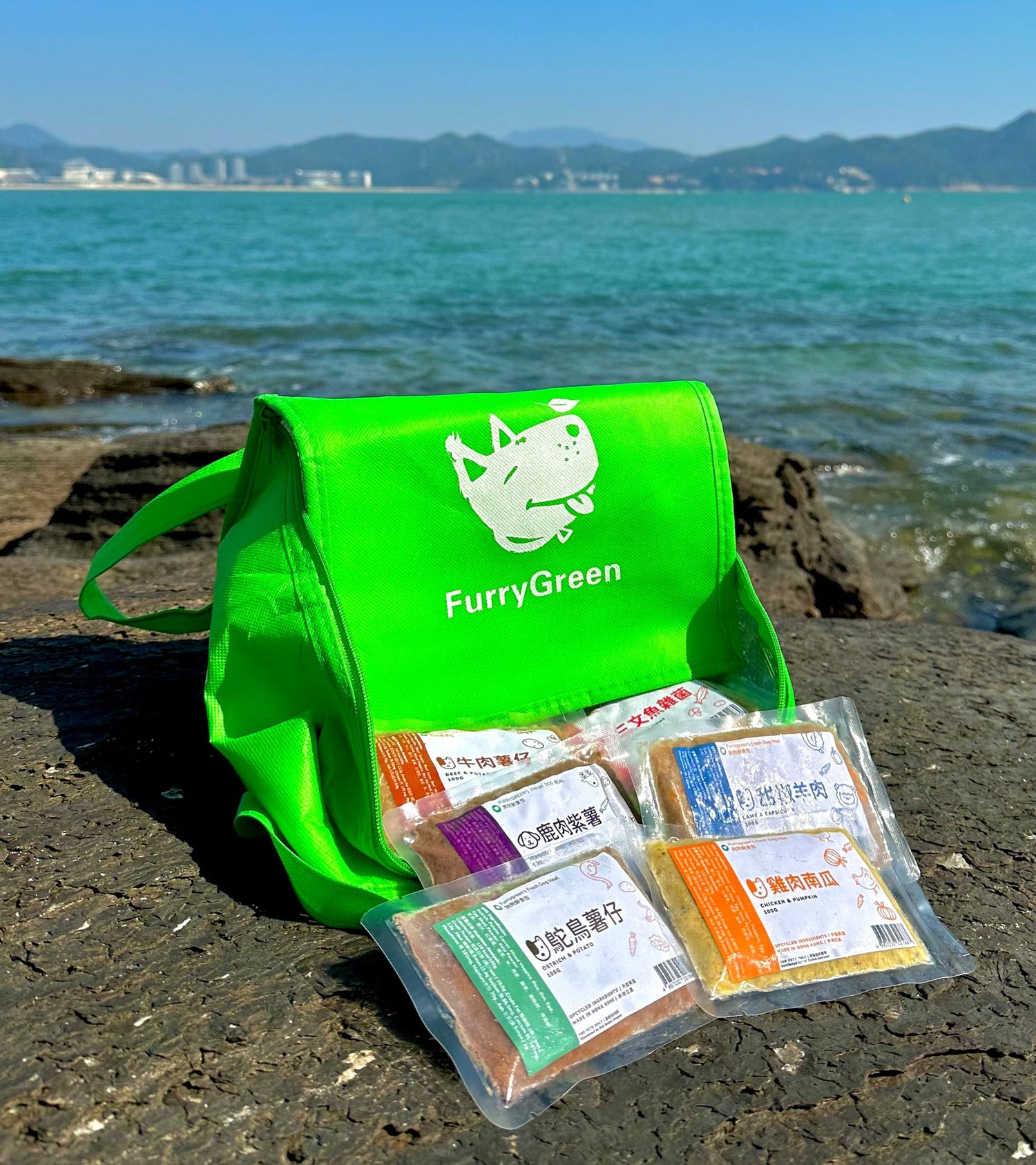
Furry Green Salmon Recipe is gently cooked, vet-reviewed, and free from seasoning, additives, and fillers.
Shop Salmon Recipes →How Much Salmon Can Dogs Eat?
Salmon meat should be treated as a supplement or treat, not a primary diet component.
General Guideline
Feed occasionally (e.g., 1–2 times per week at most), depending on overall diet.
Dogs Who Should Avoid Salmon
Check with your vet first if your dog has:
- A history of pancreatitis — fat content is a trigger
- Fish protein allergies — uncommon but real
- Obesity or a fat-restricted diet — healthy fats still add calories
- A sensitive stomach — start with very small amounts and monitor
Conclusion
Salmon can be a nutritious and beneficial addition to a dog's diet when fed correctly.
- Always cook thoroughly
- Avoid seasoning, salt, and oil
- Remove all bones
- Feed only small amounts occasionally
While salmon offers valuable nutrients, a complete and balanced dog diet should remain the foundation of your dog's nutrition.
Frequently Asked Questions
Can dogs eat raw salmon?
No. Raw salmon can carry parasites that transmit salmon poisoning disease — a serious bacterial infection that can be fatal without treatment. Always cook salmon fully before feeding it to your dog.
Is cooked salmon safe for dogs?
Yes — as long as it's plain (no salt, oil, or seasoning), fully cooked, and completely deboned. Boiled or steamed is ideal. Baked works too, without any added fat.
Is salmon better than tuna for dogs?
Generally, yes. Salmon has lower mercury levels than tuna and higher omega-3 concentrations. Both should be fed occasionally, but salmon is the more consistent choice for regular use.
Can dogs eat salmon skin?
Only in small amounts, cooked plain. Salmon skin is high in fat — too much can cause digestive upset or trigger pancreatitis in sensitive dogs. When in doubt, remove it.
What if my dog ate raw salmon?
Contact your vet immediately. Watch for vomiting, diarrhea, lethargy, or fever within 5–7 days. Early treatment significantly improves outcomes.
References
- Cornell University College of Veterinary Medicine – Clinical Pathology (eClinPath). https://eclinpath.com/
- Merck Veterinary Manual – Nutrition: Small Animals. https://www.merckvetmanual.com/management-and-nutrition/nutrition-small-animals
- Merck Veterinary Manual – Food Allergies in Small Animals. https://www.merckvetmanual.com/management-and-nutrition/food-allergy/food-allergy-in-small-animals
- Merck Veterinary Manual – Salt Toxicity in Animals. https://www.merckvetmanual.com/toxicology/salt-toxicity/salt-toxicity-in-animals
- MSD Veterinary Manual – Salmon Poisoning. https://www.msdvetmanual.com/digestive-system/rickettsial-diseases/salmon-poisoning
- National Research Council (NRC). Nutrient Requirements of Dogs and Cats. National Academies Press. https://nap.nationalacademies.org/catalog/10668/nutrient-requirements-of-dogs-and-cats
- U.S. Food and Drug Administration (FDA) – Advice About Eating Fish (Mercury Levels).