
The Truth About Dog Poop: Debunking Common Myths
Is Your Dog's Poop Normal?
A Simple Guide for First-Time Owners
Know what to look for — and what to ignore
If you're new to dog ownership, one question comes up quickly:
"Is this poop normal?"
It may not be glamorous, but stool is one of the easiest ways to check your dog's digestive health. The trick is knowing what to look for — and what to ignore.
Healthy dog stool is firm, moist, brown, log-shaped, and passes easily without straining. According to the BSAVA Manual of Canine and Feline Gastroenterology (Hall et al., 2013), day-to-day consistency is a reliable digestive health marker. Common non-issues include occasional undigested vegetables, small amounts of mucus, and reduced stool volume on higher-digestibility diets. Genuine warning signs include black or red stool, persistent watery diarrhea beyond 24 hours, heavy jelly-like mucus, straining without result, or stool changes alongside vomiting or lethargy. A 7–10 day gradual food transition minimises digestive disruption when switching diets.
What Healthy Dog Poop Looks Like
Healthy stool is usually:
- Brown
- Firm but not hard
- Log-shaped
- Easy to pick up
- Passed without effort
Consistency matters more than perfection. Day-to-day stability is a good sign (Hall et al., 2013).

6 Common Dog Poop Myths — Busted
🚫 Poop Myth #1: "As long as they're going, we're good."
We wish it were that simple.
Regular bathroom trips are great — but they don't tell the whole story. The quality of your dog's poop matters just as much as the frequency.
What you actually want to see:
- Smooth, log-shaped stools
- Easy pick-up (no smearing or crumbling)
- A consistent brown colour
- No obvious mucus or mystery bits
Think of it this way: good poop is predictable, not surprising.
🚫 Poop Myth #2: "All dog food digests the same."
Not quite.
Different foods are processed differently by your dog's body. Ingredient quality, preparation, and moisture all play a role in how things move through the digestive system.
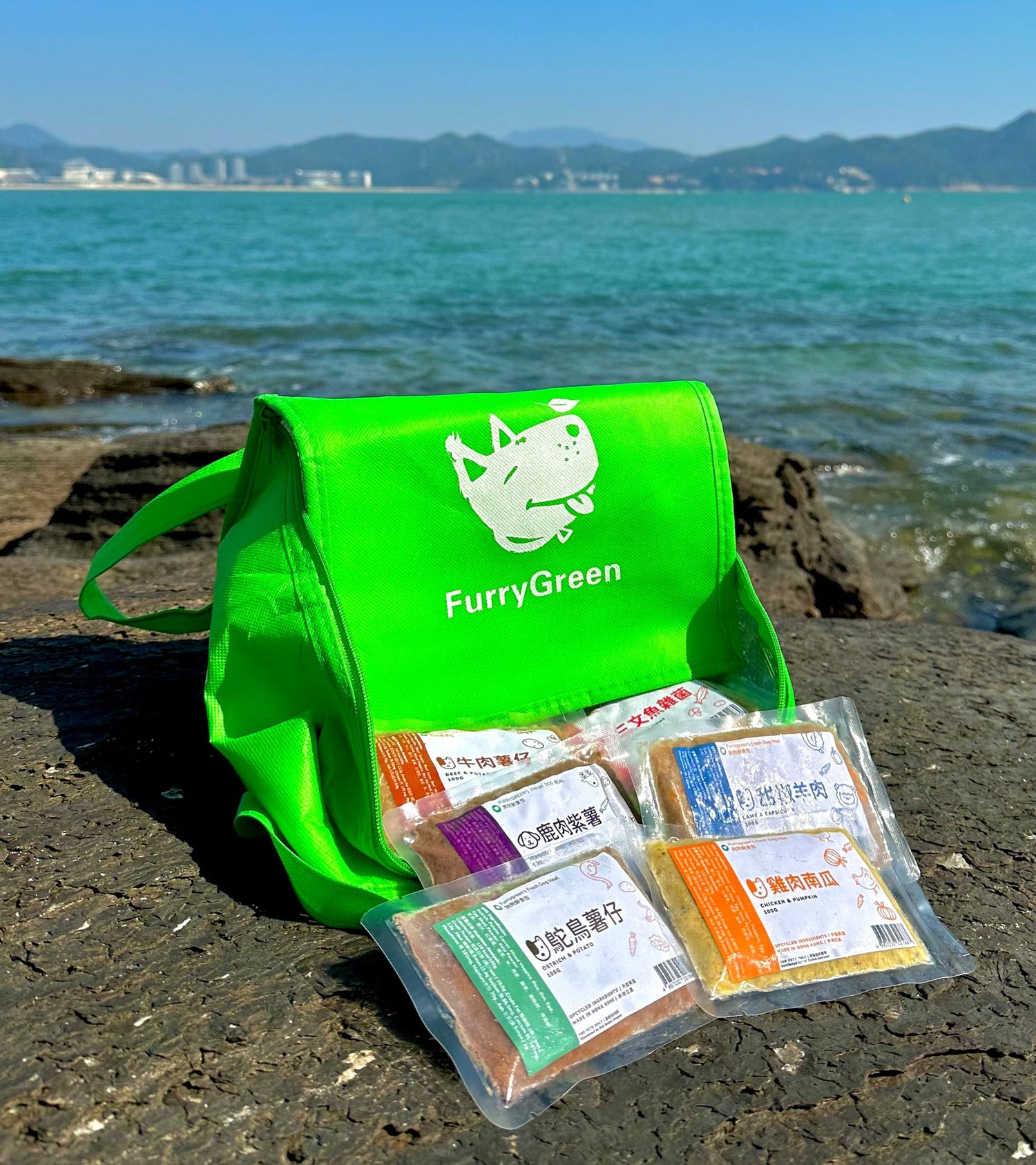
Fresh meals — like Furry Green Fresh Pet Food — are made with gently prepared ingredients and natural moisture intact. For many dogs, that can mean:
- Smoother digestion
- More consistent stools
- Less "poop drama" overall
It's not about trendy vs traditional — it's about what your dog thrives on.
🚫 Poop Myth #3: "Vegetables in poop = something's wrong."

Nope — sometimes it just means your dog ate their veggies.
Dogs don't fully break down certain plant fibres, especially in less processed foods. So spotting a bit of carrot or green here and there? Totally normal.
When to pay attention:
- You're seeing a lot of undigested food
- It's happening all the time
- Other signs show up (like loose stool)
Otherwise, a little roughage making a reappearance isn't a big deal.
🚫 Poop Myth #4: "Any mucus = bad news."
A little? Normal. A lot? Worth noticing.
The colon naturally produces mucus to help stool pass. But if you're seeing frequent slimy coatings or jelly-like stool, it could mean the gut is a bit irritated.
Especially keep an eye out if it comes with:
- Urgency
- Loose stool
- Straining
Your dog's poop shouldn't look like it's trying to tell you a story.
🚫 Poop Myth #5: "Small poops mean they're not eating enough."
Surprisingly, the opposite can be true.
When your dog is eating a diet their body uses efficiently, there's simply less waste left behind. That often means:
- Smaller stools
- Better shape
- Less frequent trips
Dogs on fresh, balanced meals like Furry Green Fresh Pet Food often fall into this category — less filler in, less waste out.
🚫 Poop Myth #6: "Switching food always leads to diarrhea."

Only if you rush it.
Your dog's gut likes consistency. A slow transition over about a week or so makes a big difference.
If things do get messy, it might be:
- Too much change too fast
- A new ingredient not agreeing
- A shift in fat or fiber levels
Take it slow, and your dog's digestion will usually keep up just fine.
So… What Does "Great Poop" Look Like?
We're glad you asked.
A gold-standard poop is:
- Firm but not hard
- Moist, not mushy
- Easy to pick up (no residue left behind)
- Passed without effort
In other words: boring, consistent, and drama-free. Exactly what you want.
Normal vs. Concerning: Quick Reference
| Sign | ✅ Usually Normal | ⚠️ Worth Monitoring | 🚨 Call Your Vet |
|---|---|---|---|
| Colour | Brown | Occasional yellow/green | Black, red, or pale grey |
| Texture | Firm, log-shaped | Slightly soft | Watery or liquid |
| Mucus | Thin coat, occasional | Moderate, recurring | Heavy, jelly-like + blood |
| Volume | Consistent | Minor variation | Sudden dramatic shift |
| Undigested food | Occasional vegetable | Frequent | Most of every meal |
| Straining | None | Once or twice | Repeated or clearly painful |
When to Actually Call Your Vet
Most stool concerns resolve within 24–48 hours without intervention.
Call your vet if you see:
- Blood — red streaks or black, tarry stool
- Watery diarrhea lasting more than 24 hours
- Straining repeatedly with nothing coming out
- Worms or foreign objects
- Any stool change alongside vomiting, lethargy, or appetite loss
My colleague's Poodle had three days of soft stool after well-meaning family members fed him table scraps over a long weekend. No vet needed — back to normal after plain food and a regular schedule. The same symptoms paired with lethargy or vomiting? That's a completely different situation.
Bottom Line
Poop might not be glamorous, but it's incredibly useful. Small changes can tell you a lot about how your dog is handling their food.
🌿 Real Food, Real Results
Feeding a thoughtfully prepared diet — like Furry Green Fresh Pet Food — can help support the kind of digestion that leads to consistently healthy stool. Not perfect every single time (because, hey, dogs), but reliably healthy-looking.
Explore Furry Green Fresh Pet FoodAnd when in doubt? Keep observing. Your dog's gut is always giving you clues — you just have to know what you're looking at.
Frequently Asked Questions
What does healthy dog poop look like?
Firm, brown, log-shaped, passed without effort. It holds shape when picked up and leaves minimal residue. Consistency day-to-day matters more than any single sample. According to Hall et al. (2013), stable stool patterns are a reliable indicator of digestive health.
Why is my dog's poop soft but they seem fine?
Occasional soft stool is common — stress, a new treat, eating too fast, or minor dietary variation can all cause it. If your dog is active, eating normally, and has no other symptoms, watch for 24–48 hours. Persistent softness warrants a vet conversation.
How often should a dog poop per day?
Most adult dogs go 1–3 times daily depending on meal frequency and diet type. Puppies go more. What matters more than number is consistency — same frequency, shape, and colour each day signals a settled gut.
Why does my dog poop less on fresh food?
Higher digestibility means more of the food is absorbed — leaving less to excrete. Smaller, firmer stools on a fresh diet are typically a positive sign, not a concern.
When should I worry about my dog's poop?
Seek veterinary advice for blood, persistent watery diarrhea beyond 24 hours, repeated straining without result, foreign objects, or stool changes alongside other symptoms. A single abnormal stool is rarely an emergency. A repeating pattern is.
References
- Hall, E. J. et al. (2013). BSAVA Manual of Canine and Feline Gastroenterology.
- German, A. J. et al. (2015). Digestibility and fecal quality in dogs.
- Jergens, A. E. (2012). Clinical assessment of gastrointestinal disease.
- Suchodolski, J. S. (2016). Intestinal microbiome in dogs and cats.
This article is for educational purposes only and is not a substitute for professional veterinary diagnosis or treatment.