
7 Ingredients to Avoid in Pet Treats (And What to Buy Instead)
⚡ Quick Answer
Several common pet treat ingredients — including xylitol, propylene glycol, and synthetic preservatives like BHA/BHT — pose real health risks to dogs and cats. Choosing treats with short ingredient lists and named protein sources is the simplest way to avoid them.
Key Takeaways
- Xylitol is extremely toxic to dogs and can cause liver failure, even in small amounts.
- Artificial dyes and added sugars offer zero nutritional value — they're there to sell the treat, not feed your pet.
- Short ingredient list, named protein, natural preservatives: that's the three-part filter worth memorising.
Why Treat Labels Actually Matter
Most pet owners read food labels for themselves. Fewer do it for their pets.
But treats aren't regulated as tightly as complete pet food. That gap is where problematic ingredients tend to appear — sweeteners, synthetic dyes, and preservatives that extend shelf life at the expense of your pet's health.
The good news: once you know the seven to watch for, label-reading takes about 30 seconds.

Xylitol
Why it's dangerous
- Extremely toxic to dogs, even in small amounts
- Can cause a rapid drop in blood sugar (hypoglycemia)
- May lead to liver failure and death in dogs
- Cats appear less sensitive, but exposure should still be avoided
Commonly found in
- Sugar-free gum
- Sugar-free candies
- Some peanut butters
- Sugar-free baked goods
- Certain dental products
- Some human supplements
Propylene Glycol
Why it's concerning
- Can damage feline red blood cells and contribute to Heinz body formation
- Prohibited in cat foods by regulatory agencies in many countries
- High amounts may cause digestive upset in dogs
Commonly found in
- Semi-moist pet treats
- Soft chew supplements
- Some processed foods
- Certain cosmetics and personal care products
BHA & BHT
Why they're concerning
- Long-term safety remains controversial
- Some laboratory studies have linked high exposures to cancer and organ effects in rodents
- Many pet owners prefer natural preservatives instead
Commonly found in
- Dry pet foods
- Commercial treats
- Processed human snack foods
- Foods containing animal fats
Artificial Dyes
Why they're unnecessary
- Provide no nutritional benefit
- Dogs and cats do not choose treats based on color
- Some artificial dyes have been associated with hypersensitivity reactions
Commonly found in
- Colored dog biscuits
- Training treats
- Pet chews
- Processed pet foods
Ethoxyquin
Why it's concerning
- Has been the subject of safety concerns among veterinarians and pet owners
- While approved at regulated levels in some jurisdictions, many manufacturers have voluntarily moved away from its use
- Natural alternatives are widely available
Commonly found in
- Some fish-based pet foods
- Older formulations of dry pet foods
- Certain animal feed products
Excessive Added Sugars
Why they're bad
- Contribute unnecessary calories
- May promote obesity
- Can contribute to dental disease
- Offer little nutritional value
Commonly found in
- Soft treats
- Chewy snacks
- Dental treats
- Bakery-style pet treats
Carrageenan
Why it's controversial
- Some laboratory studies suggest degraded forms may promote inflammation
- Evidence in dogs and cats is limited, but some owners prefer to avoid it
Commonly found in
- Canned pet foods
- Pet puddings and gels
- Moist treats
At-a-Glance Summary
| Ingredient | Primary Concern | Commonly Found In |
|---|---|---|
| Xylitol | Acute toxicity, liver failure | Sugar-free products, some peanut butters |
| Propylene Glycol | Red blood cell damage (cats) | Semi-moist treats, soft chews |
| BHA / BHT | Long-term carcinogenicity concerns | Dry foods, processed treats |
| Ethoxyquin | Safety controversy, liver concerns | Fish-based pet foods |
| Artificial Dyes | No nutritional value, sensitivity risk | Colored biscuits, training treats |
| Added Sugars | Obesity, dental disease | Chewy snacks, bakery treats |
| Carrageenan | Potential inflammation (limited evidence) | Canned foods, moist treats |

What Should You Choose Instead?
- Short, simple ingredient lists
- Named animal protein sources (e.g., chicken, turkey, salmon)
- Natural preservatives such as mixed tocopherols (vitamin E) or rosemary extract
- Limited ingredients for pets with food sensitivities
- No artificial colors or unnecessary additives
- Low sugar content
- Ingredients you can easily recognize and understand
Good Treat Examples
🐾 Fresh & Clean for Dogs & Cats
Real Food. Real Ingredients. Real Difference.
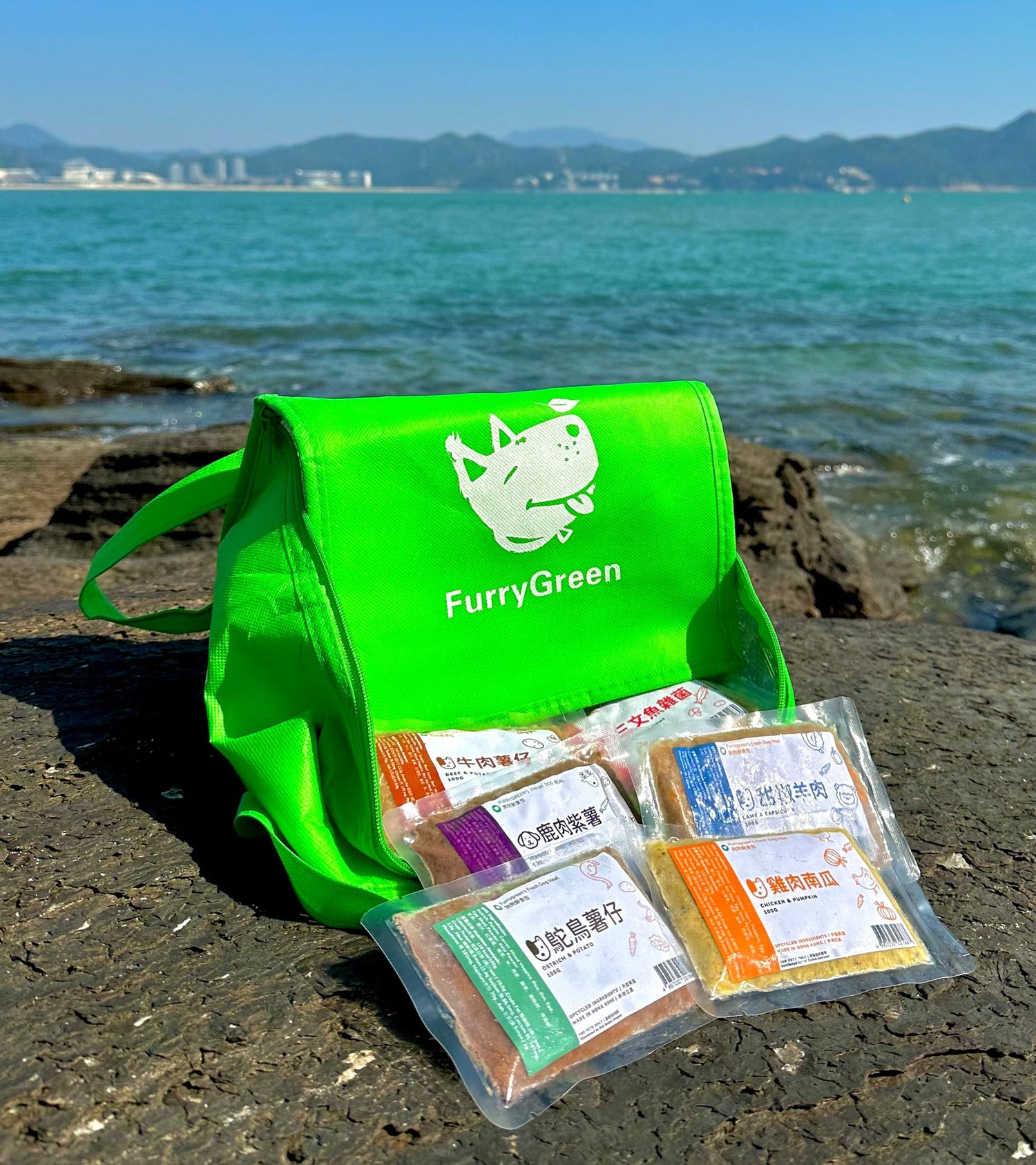
Your dog and cat deserve meals made from fresh, named proteins — no fillers, no artificial preservatives, no added sugar. Furry Green's fresh pet food collection is built around the same label standard this article is about. See what clean feeding looks like.
Final Tip
When evaluating a treat, ask yourself: "Is this ingredient helping my pet nutritionally, or is it mainly helping the manufacturer with appearance, sweetness, texture, or shelf life?" Choosing minimally processed treats with recognizable ingredients is often the simplest way to support your pet's long-term health.
Frequently Asked Questions
Is xylitol dangerous for cats too?
Cats appear significantly less sensitive to xylitol than dogs, but the ASPCA Animal Poison Control Center advises keeping xylitol-containing products away from all pets. The research on cats is less extensive, so caution is the safer default. If exposure occurs, call (888) 426-4435 immediately.
Are BHA and BHT banned in pet food?
No. BHA and BHT remain approved preservatives under AAFCO guidelines at regulated levels. The concern stems from rodent studies at high doses — not confirmed outcomes in dogs or cats. Many owners prefer to avoid them; natural alternatives like mixed tocopherols are widely available and effective.
Can I give my dog sugar-free peanut butter?
Only if you've confirmed xylitol is not on the ingredient list. Some sugar-free peanut butter brands use xylitol as a sweetener; others use erythritol or stevia, which are less concerning but still worth researching. Check every label — formulations change.
What preservatives are safe in pet treats?
Mixed tocopherols (a form of vitamin E) and rosemary extract are the most widely used natural preservatives in quality pet treats. Both are endorsed as safer alternatives by WSAVA's nutrition resources and preferred by most veterinary nutritionists over synthetic options.
Is carrageenan definitely harmful to pets?
The evidence is not definitive. Some lab studies on degraded carrageenan suggest pro-inflammatory effects, but robust clinical data in dogs and cats is limited. It's an optional ingredient to limit rather than an urgent one to eliminate. If your pet has chronic GI issues, it's a reasonable item to reduce.
References & Further Reading
The information in this article is based on resources from veterinary nutrition and toxicology experts, including:
| Ingredient | Key References |
|---|---|
| Xylitol | FDA, ASPCA, Merck Veterinary Manual |
| Propylene Glycol | NRC (2006), AAFCO, Schalm's Veterinary Hematology |
| BHA/BHT | EFSA, FDA, AAFCO |
| Artificial Dyes | FDA, AAFCO, WSAVA Nutrition Resources |
| Ethoxyquin | FDA Center for Veterinary Medicine, AAFCO |
| Added Sugars | NRC (2006), WSAVA Nutrition Committee |
| Carrageenan | FDA, EFSA reviews of food additives |
- U.S. Food and Drug Administration (FDA). Paws Off Xylitol; It's Dangerous for Dogs. https://www.fda.gov
- ASPCA Animal Poison Control Center. Pet toxin information and prevention resources. https://www.aspca.org/pet-care/animal-poison-control
- Merck Veterinary Manual. Veterinary toxicology and nutrition references. https://www.merckvetmanual.com
- Association of American Feed Control Officials (AAFCO). Pet food ingredient and labeling guidelines. https://www.aafco.org
- World Small Animal Veterinary Association (WSAVA) Global Nutrition Committee. Pet nutrition resources. https://wsava.org
- National Research Council. Nutrient Requirements of Dogs and Cats. National Academies Press, 2006.
- Cornell University eClinPath. Veterinary clinical pathology and toxicology resources. https://eclinpath.com