
Senior Dog Won't Eat Kibble? Try the Soft Fresh Food Mix-In Method
Our dog had eaten the same kibble for years. Then, sometime after her 12th birthday, she just... stopped. Breakfast went down, she'd sniff, walk away, go back to bed. Dinner — same thing.
We tried switching brands, adding wet food, hand-feeding, even home-cooked chicken breast. She'd eat it for a few days, then quit again. The vet checked her mouth — a few loose teeth, inflamed gums. Chewing hard kibble hurt.
That's when it clicked: she wasn't being picky. She physically couldn't eat it comfortably.
Following our vet's advice, we started mixing gently cooked, sous-vide fresh food into her kibble — not replacing it entirely, just topping it.
Within 3 days, she ate a full bowl again. By day 7, she was waiting by her bowl at mealtime. Now at 13½, she still gets excited for every meal.

6 Benefits (What We Actually Saw)
1. Adds Extra Moisture to the Diet
Dry kibble is under 10% moisture. Senior dogs often don't drink enough. Mixing in 60–70% moisture fresh food meant she got hydrated just by eating. Her urine diluted, and her kidney markers stabilized at her last checkup.
2. Supports Kidney and Urinary Health
For senior dogs, maintaining adequate hydration becomes increasingly important. Adding moisture to meals may help support normal urinary function and reduce urine concentration.
However, dogs with diagnosed kidney disease or urinary conditions have specific nutritional requirements. In these cases, fresh toppers should be selected with guidance from a veterinarian or veterinary nutritionist rather than simply adding high-protein foods to the diet.
3. Makes Food Easier to Eat
Dental disease, missing teeth, and sore or sensitive gums are common concerns in older dogs. Moist fresh food can soften kibble and make the meal easier to chew and swallow.
For seniors that struggle with dry, crunchy food, adding a moist topper or warm water can make mealtimes considerably more comfortable.
4. Can Support Digestive Health
Depending on the ingredients, fresh food toppers can provide additional sources of fibre and other nutrients that may support normal digestion and stool quality.
Ingredients such as pumpkin or certain vegetables can provide fibre, while some fermented dairy products may provide beneficial microorganisms when they are appropriate and well tolerated.
As with any dietary change, introduce new foods gradually to reduce the risk of gastrointestinal upset.
5. Adds Nutritional Variety
One of the biggest advantages of using fresh food as a topper is variety. Ingredients such as cooked lean meats, eggs, fish, and certain fruits and vegetables can provide additional nutrients and different sources of protein, fatty acids, vitamins, and antioxidants.
The key is to use fresh foods to complement — not unintentionally unbalance — a complete and balanced diet.
6. Provides Additional Sources of Omega-3 Fatty Acids
Senior dogs may benefit from diets containing appropriate amounts of omega-3 fatty acids. Fish and certain fish-based ingredients can provide EPA and DHA, which are particularly relevant to joint and inflammatory health.
If an omega-3 supplement or concentrated fish oil is being considered, speak with your veterinarian first to ensure appropriate dosing for your dog's weight and condition.
How to Start — The 7-Day Fresh Food Mix-In Plan

Ready to try mixing fresh food with your senior dog's kibble? Here's a simple week-long transition:
| Days | Mix | Notes |
|---|---|---|
| Day 1–2 | 75% kibble + 25% fresh food | Let the fresh food soften the kibble slightly |
| Day 3–4 | 50% kibble + 50% fresh food | Most senior dogs accept this ratio eagerly |
| Day 5–6 | 25% kibble + 75% fresh food | The aroma and texture usually wins them over |
| Day 7+ | Full fresh food or maintain preferred ratio | Both are valid — go at your dog's pace |
Tip: Warm the fresh food in the microwave for 10–15 seconds before mixing. The intensified aroma is especially effective for seniors with diminished smell.
What to Look for in a Fresh Food Topper

Not all fresh food toppers are equal. When choosing a fresh food topper for your senior dog, look for:
- High protein — easily digestible protein
- No artificial preservatives or colours — senior dogs' livers process these less efficiently
- Soft texture — easier on aging teeth and gums
- Human-grade ingredients — indicates higher quality sourcing
- Made in a licensed kitchen — for Hong Kong pet parents, a licensed commercial kitchen ensures food safety standards
Try Furry Green — Fresh Food Topper for Senior Dogs
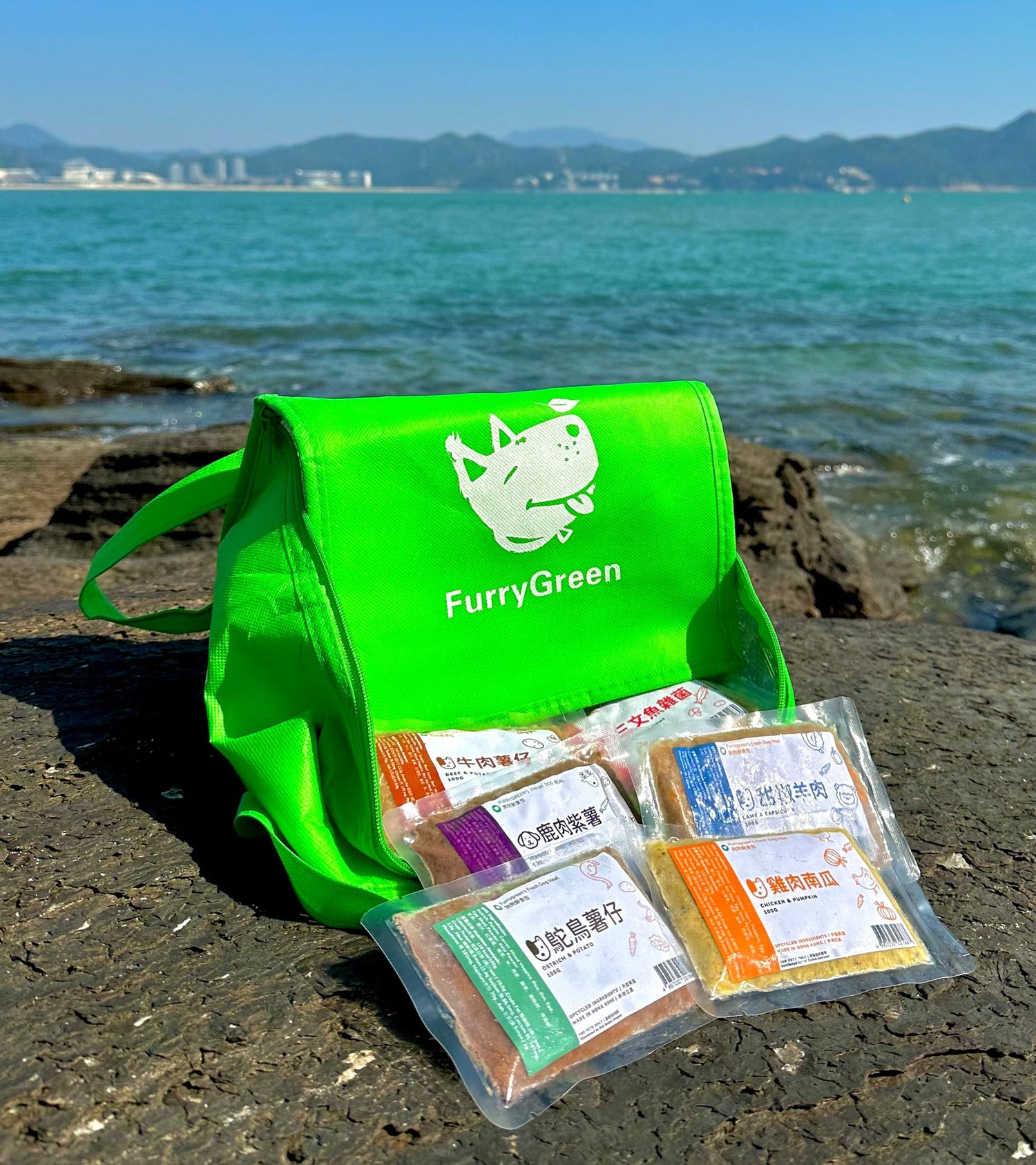
Furry Green's Recipe Variety Pack was designed specifically as a fresh food topper and transition solution for senior dogs:

- ✅ Vacuum-sealed, sous-vide gentle cooking
- ✅ 6 single-protein recipes (chicken, beef, duck, salmon)
- ✅ Room-temperature stable — no refrigeration needed
- ✅ Licensed Hong Kong commercial kitchen
- ✅ 60–70% moisture — supports hydration
- ✅ No artificial preservatives, colours, or fillers
Frequently Asked Questions
How long does it take for a senior dog to adjust to fresh food toppers?
Most senior dogs adjust within 3 to 7 days when fresh food is introduced gradually alongside kibble. Some dogs show renewed interest in eating within the first 3 days, while others take a full week to fully accept a higher ratio of fresh food. Following a gradual mix-in schedule, like the 7-day plan above, helps minimize digestive upset during the transition.
Can I mix fresh food with kibble every day, or should it be occasional?
Fresh food toppers can generally be used daily as part of a senior dog's regular meals, as long as the overall diet remains complete and balanced. Introduce new foods gradually and monitor stool quality and appetite when starting. Many senior dogs, including the dog in this story, do best with fresh food as a consistent daily topper rather than an occasional treat.
Is fresh food safe for senior dogs with kidney issues?
Dogs with diagnosed kidney disease have specific nutritional requirements, particularly around protein and phosphorus levels. Fresh food toppers should only be added to their diet with guidance from a veterinarian or veterinary nutritionist, who can help select appropriate recipes and portion sizes for your dog's specific condition.