
The Complete Senior Dog Care Guide for Hong Kong: Health, Nutrition & Happiness (2026)
Your dog has been by your side through every walk, every adventure, every late-night cuddle. Now, in their golden years, they need a little more from you — and you deserve to know exactly how to give it.
This guide covers everything senior dog parents need: from nutrition and mobility to behaviour changes and dental health. Everything your older dog needs to thrive — explained simply, backed by science, and written for real Hong Kong families.

When Is a Dog Considered "Senior" in Hong Kong?
There's no single answer — it depends on your dog's size and breed.
| Size | Becomes Senior |
|---|---|
| Small breeds (under 10 kg, e.g., Toy Poodle, Shih Tzu) | Around age 10–12 |
| Medium breeds (10–25 kg, e.g., Cocker Spaniel, Shiba Inu) | Around age 8–10 |
| Large breeds (over 25 kg, e.g., Golden Retriever, Labrador) | Around age 6–8 |
Your senior dog might not look old — Hong Kong's smaller apartment dogs often stay sprightly well into their teens. But inside, their nutritional needs, joint health, and digestion are changing. The earlier you adapt, the better their quality of life.
The good news: With the right care, senior dogs in Hong Kong can live happy, comfortable lives for many more years. This guide shows you exactly how.
The 5 Health Signs Your Senior Dog Needs a Diet Change
How do you know when it's time to switch up their food? Here are the most common signs Hong Kong dog parents notice in their senior dogs:
1. They're suddenly picky at the bowl
If your older dog who used to devour their dinner is suddenly turning their nose up at kibble, it's often not "just pickiness" — it can be a sign their senses of smell and taste are diminishing, or that kibble's hard texture is becoming difficult for aging teeth. Discover why many senior dogs become picky eaters and what actually helps →
2. They've gained weight without eating more
Metabolism slows with age. A senior dog who gets the same amount of kibble as they did at age 4 can quietly pack on weight. Excess weight puts enormous pressure on aging joints. Learn how to manage your senior dog's weight in a Hong Kong climate →
Dog Weight and Lifespan
3. They're slower on your usual route
If your dog is lagging behind on the Peak or isn't making it up the mountain trails the way they used to, joint stiffness or pain is often the cause. 10 Signs of Your Senior Dog in Pain
Managing Arthritis in Dogs
By the way, swimming is one of the best low-impact exercises for senior dogs with mobility issues. Discover swimming and hydrotherapy benefits for senior dogs →
4. Their coat has lost its shine
A dull, dry coat in an older dog can signal declining nutrient absorption or underlying health issues. Fresh, gently cooked food with human-grade ingredients is easier for senior dogs to absorb nutrients from. Read about the science behind fresh food for senior dogs →
To help your pup's coat: Why Do Dogs Shed?
5. They're drinking more water than usual
Increased thirst can indicate kidney issues, diabetes, or other age-related conditions. While you should see a vet, switching to fresher, higher-moisture food can help reduce the strain on aging kidneys.
Why Is My Senior Dog Drinking More Water?
Why Water is Essential for Your Dog's Health
If you've noticed any of these signs, it's worth reviewing what you're feeding. See our complete guide to senior dog nutrition →
Joint Health & Mobility — The #1 Concern for Hong Kong Senior Dogs
Ask any senior dog parent in Hong Kong what worries them most, and joint health is near the top of the list. Conditions like arthritis, hip dysplasia, and general stiffness become increasingly common after age 7–8.
Why Hong Kong makes it harder
- Hard floors in many apartments (no carpet cushioning for joints)
- Humid weather can aggravate inflammation
- Stairs in older buildings and mountain trails all take a toll
What actually helps senior dog mobility
- Swimming — The single best exercise for dogs with joint issues. Buoyancy supports their weight, letting them build muscle without impact. Discover swimming programs for dogs in Hong Kong →
- Weight management — Every extra gram of body fat puts more pressure on joints. Keeping your senior dog at a healthy weight is the single most impactful thing you can do for their mobility. Easy to Digest Food for Older Dogs
- Omega-3 fatty acids — Found in fresh fish like salmon and mackerel, omega-3s have genuine anti-inflammatory properties that support joint health. Furry Green's salmon recipe contains omega-3 from natural food sources.
- Gentle, consistent movement — Short, regular walks on soft surfaces (grass at Victoria Park, the trails at Tai Tam Reservoir) are better than occasional long hikes.
Learn more: How to Extend Your Dog's Healthspan
Senior Dog Nutrition — Why Fresh Food Beats Kibble
This is where most senior dog parents have the biggest opportunity to improve their dog's quality of life.
The problem with kibble for senior dogs
- Very low moisture (10%) — Kibble is extremely dry. Senior dogs are already at higher risk of dehydration and kidney strain. Fresh food with 60–70% moisture is closer to what a dog's body is designed to process.
- Highly processed — By the time kibble is manufactured, many of the original nutrients in the ingredients have been destroyed by heat. A 2019 study in the Journal of Animal Physiology found that dogs over 8 years old showed 23% lower digestive efficiency when fed highly processed foods compared to minimally processed alternatives.
- Hard to chew — Aging teeth and sensitive gums make kibble uncomfortable for many senior dogs. Gently cooked, soft-textured fresh food is easier on aging mouths.
- Unpalatability — As dogs age and their sense of smell and taste dulls, the strong flavour of heavily seasoned kibble can become overwhelming rather than appealing.
Why Furry Green is designed for senior dogs
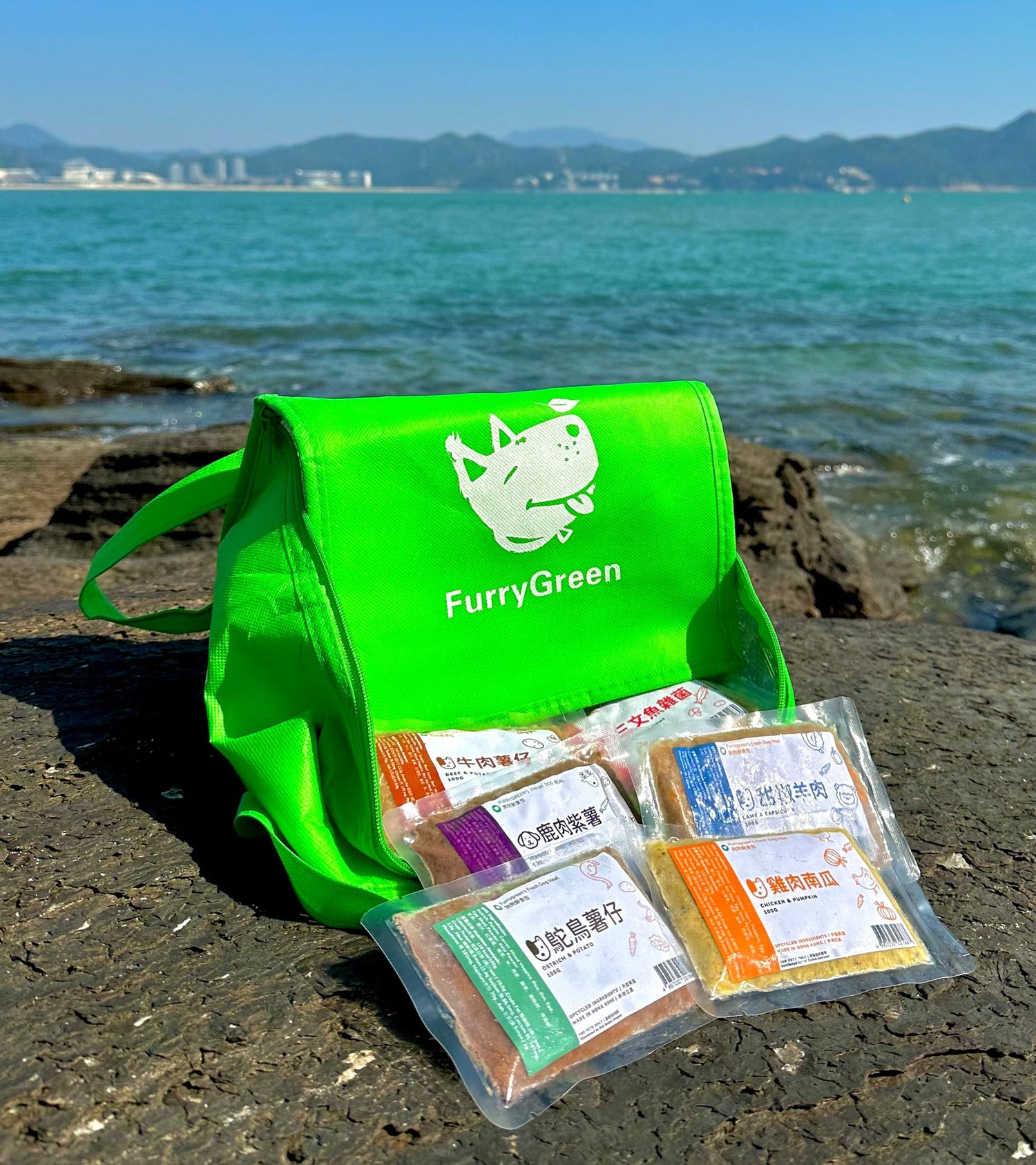
Furry Green's gently cooked fresh food is made with human-grade ingredients in our Hong Kong licensed kitchen — no preservatives, no artificial colours, no fillers. Each recipe is soft and easy to chew, packed with natural moisture, and formulated to support aging dogs' nutritional needs.
- Gently Cooked — Our gentle cooking process locks in nutrients and makes them easier for senior dogs to absorb
- Locally Made — Made in Hong Kong, because local freshness matters
- 6 single-protein recipes — Six recipes (chicken, beef, duck, salmon, lamb, venison) so you can find the right fit for your senior dog's taste and sensitivities
- 5 free-from — No additives, preservatives, artificial colours, fillers, or meat meal
Explore our senior dog nutrition guide →
Read about why gently cooked food is ideal for senior dogs →
Managing Weight in Senior Dogs (Hong Kong Climate Edition)
Hong Kong's year-round mild climate means even senior dogs can stay relatively active — but their caloric needs change. A senior dog who was burning 500 kcal a day at age 5 may only need 350 kcal at age 10, even if they're eating the same portion.
The fresh food advantage for weight management
- Lower fat content — Fresh protein and vegetables naturally contain less fat than processed kibble
- Higher moisture (60–70%) — Moisture adds volume to each meal, helping senior dogs feel fuller on fewer calories
- Lower caloric density — You can feed a satisfying portion without overloading calories
A simple guide for switching
When transitioning from kibble to fresh food, do it gradually over 7–10 days to avoid digestive upset. See our step-by-step food transition guide →
And remember: treats count. A few pieces of human food scraps can undo a week's careful portion control. Keep treats minimal and appropriate for your senior dog's caloric budget.
7 Signs of Cognitive Decline in Senior Dogs
Just like humans, dogs can experience cognitive changes as they age. Cognitive decline in dogs — sometimes called "dog dementia" or canine cognitive dysfunction — affects a significant proportion of dogs over age 10. Learn more: Cognitive Decline in Elderly Dogs
- Getting lost in familiar places — Your dog suddenly seems confused in your own building lobby or on a street they've walked a hundred times
- Staring at walls or into space — Zoning out more frequently, not responding to their name
- Sleep pattern changes — Restless at night, pacing, sleeping more during the day but poorly at night
- Increased anxiety — More clingy, more vocal, anxiety when you leave the house
- Accidents in the house — Even if they were fully house-trained before
- Not greeting you anymore — A formerly enthusiastic greeter now seems indifferent
- Changes in appetite — Either eating much less or forgetting they've already eaten
What to do: If you notice these signs, see your vet. Cognitive decline can sometimes be slowed with diet, supplements (like omega-3s and MCT oil), and environmental enrichment. Fresh, nutrient-dense food supports brain health as part of a holistic approach.
A brain-healthy diet for senior dogs includes omega-3 fatty acids from fresh fish, antioxidants from colourful vegetables, high-quality protein for muscle maintenance, and low glycemic carbohydrates for stable energy.
Senior Dog Dental Care — An Often-Ignored Hong Kong Problem
Dental disease is one of the most overlooked health issues in senior dogs — and it's more common than most Hong Kong dog parents realise.
Learn more : Senior Dog Dental Care: Signs, Checks and Next Steps
Why dental health matters more as dogs age
- Gum disease bacteria can enter the bloodstream and damage heart, kidney, and liver function
- Tooth decay and oral pain make eating difficult — contributing to weight loss and malnutrition in senior dogs
- Bad breath is often the first (and only visible) sign that something is wrong
What you can do
- Check their teeth weekly — Lift their lips and look at the gum line. Red, swollen gums or brown tartar buildup are signs it's time to see the vet.
- Get professional dental cleanings — Most Hong Kong vets recommend annual dental checks and cleanings under anaesthesia for senior dogs.
- Feed textured food — Kibble's crunch doesn't actually clean teeth. Gently cooked fresh food doesn't replace dental care, but it's easier on sensitive teeth and gums than hard, processed kibble.
If your senior dog is refusing to eat or favouring one side of their mouth, dental pain could be the cause. Don't wait — book a vet appointment.
Try Furry Green's Dog Fresh Food — Starting at HK$99
Everything in this guide points toward one conclusion: your senior dog deserves better than processed kibble. They deserve food that's made for their age, their size, and their specific needs.
Furry Green's gently cooked fresh food is:
- ✅ Made with human-grade ingredients in our licensed kitchen
- ✅ Free from additives, preservatives, artificial colours, fillers, and meat meal
- ✅ Sous vide cooking to lock in nutrients and flavour
- ✅ Soft and easy to chew for senior dogs
- ✅ High moisture (60–70%) to support hydration and kidney health
- ✅ Available in 6 single-protein recipes for dogs with sensitivities

No commitment. Your dog tries it first. If they love it (and we know they will), you can build a personalised subscription plan from there.
Frequently Asked Questions
When should I switch my dog to a senior food plan?
It depends on breed size: small breeds around age 10–12, medium breeds around age 8–10, and large breeds around age 6–8. Watch for signs like pickiness, weight gain, slower movement, dull coat, or increased thirst — these often signal it's time to review your dog's diet, regardless of exact age.
How do I transition my senior dog from kibble to fresh food?
Transition gradually over 7–10 days by mixing increasing amounts of fresh food with decreasing amounts of kibble. This helps avoid digestive upset, especially important for senior dogs with more sensitive stomachs.
What are the early signs of cognitive decline in senior dogs?
Common signs include getting lost in familiar places, staring into space, changed sleep patterns, increased anxiety, house-training accidents, reduced greeting behaviour, and changes in appetite. If you notice these, consult your vet — diet and environmental enrichment can help slow progression.
Disclaimer: This content is for educational purposes only and does not replace veterinary advice. Always consult a veterinarian when making dietary changes for your pet.