
Why Does My Shiba Inu Suddenly Refuse to Walk? Understanding the "Refusal Shiba"
Have you ever been enjoying a walk with your Shiba Inu when they suddenly stop, plant all four paws firmly on the ground, and refuse to take another step?
No amount of calling, coaxing, or gentle encouragement seems to work. If this sounds familiar, you're certainly not alone. In Japan, this behavior is affectionately known as "Kyohi Shiba" (拒否柴), or the "Refusal Shiba."
While it can be amusing—and sometimes frustrating—this behavior is often more than simple "stubbornness." Understanding why it happens can help you respond in a way that supports your dog's well-being and strengthens your bond.
Read more on Shiba Inu 101: The Complete Guide
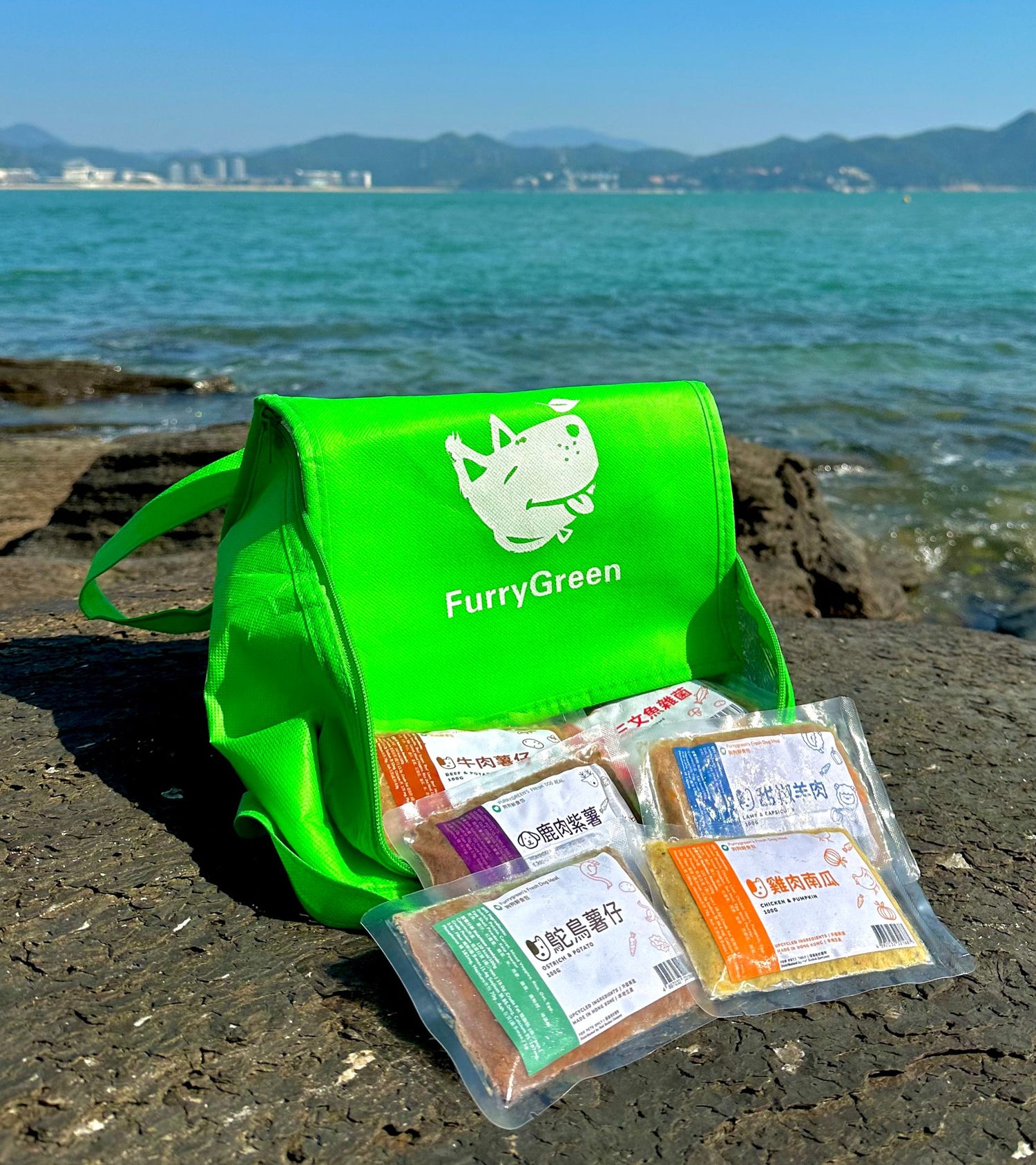
Food Loved by Shiba — Try Furry Green's Fresh Dog Food
Gently cooked, human-grade recipes made fresh in Hong Kong — real meat, real vegetables, zero fillers. Even the most particular Shiba approves.
Shop Fresh Dog FoodWhat Is a "Refusal Shiba"?

"Refusal Shiba" is a popular term among Japanese Shiba Inu owners to describe moments when a Shiba simply decides they aren't moving.
Common examples include:
- Stopping in the middle of a walk and refusing to continue.
- Sitting or lying down on the sidewalk.
- Wanting to continue exploring instead of heading home.
- Seeming to ignore their owner's calls or cues.
Although these behaviors may look like defiance, dogs usually have a reason for what they're doing—even if it's not immediately obvious to us.
Why Do Shibas Have a Reputation for Being Independent?
Shiba Inus are one of Japan's oldest native dog breeds. Historically, they were bred to hunt small game and birds in mountainous terrain, often working with a degree of independence from their handlers.
These historical roles likely contributed to traits many Shiba owners recognize today, including:
- Confidence
- Alertness
- Persistence
- Independent decision-making
Remember: genetics are only part of the picture. Every dog is an individual, and personality is also shaped by early socialization, training, life experiences, and overall health. Some Shibas are highly independent, while others are affectionate "velcro dogs."
What Might Your Shiba Be Thinking?

When your dog suddenly stops, they may be doing one or more of the following:
Taking in the Environment
Dogs experience the world primarily through their noses. Your Shiba may be investigating interesting scents or gathering information about the surroundings.
Checking for Safety
An unfamiliar person, another dog, a loud noise, or even a moving object may cause your dog to pause and assess the situation before moving on.
Feeling Overwhelmed
Busy streets, crowds, construction noise, or unfamiliar environments can make some dogs hesitate.
Simply Wanting to Stay
Sometimes your Shiba may be enjoying the park so much that they're reluctant for the walk to end!
"Shiba Distance"—A Fun Cultural Idea
Japanese owners sometimes jokingly use the phrase "Shiba Distance" (柴距離) to describe the breed's tendency to appreciate a little personal space.
It's not a scientific term, but many owners recognize the sentiment:
"I enjoy being with you... but I don't need to be touching you every second."
Like people, dogs have different social preferences, and many Shibas enjoy affection on their own terms.
What Should You Do When Your Shiba Stops?
If your dog suddenly becomes a "Refusal Shiba," try to stay calm and avoid turning it into a tug-of-war.
Instead:
- Pause for a moment and observe what has caught your dog's attention.
- Look around for possible triggers, such as another dog, a cyclist, or a loud noise.
- Allow your dog a few seconds to sniff or assess the environment if it's safe to do so.
- Encourage them with a cheerful voice or a favorite treat rather than pulling hard on the leash.
- Reward your dog when they choose to move forward.
Forcing or dragging a reluctant dog can increase stress or fear, making future walks less enjoyable.
When "Refusing to Walk" May Be a Health Problem
Not every refusal to walk is related to personality.
If your dog suddenly begins refusing walks—especially if this is a new behavior—it could be a sign of discomfort or illness.
Possible medical causes include:
- Joint pain or arthritis
- Muscle or ligament injuries
- Paw pad or nail injuries
- Neck or back pain
- Heat stress
- Vision or neurological problems
Contact your veterinarian if your dog:
Ruling out pain is always an important first step before assuming a dog is simply being "stubborn."
Read more on what is causing discomfort for Shiba Inu:
- Dog Arthritis
- Is Your Senior Dog in Pain?
- Paw Pad Burns on Hong Kong Pavement
- Signs of Cognitive Decline in Senior Dogs
Understanding Builds Better Relationships

Many behaviors we describe as "stubborn" are actually a dog's way of communicating.
Your Shiba may be gathering information, assessing their surroundings, feeling uncertain, or simply asking for a little more time. By responding with patience and curiosity instead of frustration, you'll help your dog feel more confident and make walks a more positive experience for both of you.
After all, living with a Shiba Inu isn't about winning a battle of wills—it's about learning to understand a unique companion with a personality all their own.
Join the Subscription Bundle
Secure your Shiba's favorite fresh meals every month with extra discounts and curated seasonal gifts — convenience, savings, and delightful surprises delivered monthly.
Explore Subscription BundlesTake-Home Message
A "Refusal Shiba" isn't necessarily trying to challenge you. Breed tendencies, individual personality, training, environment, and health all influence how a dog behaves on a walk. If your Shiba occasionally stops to observe the world, a little patience may be all they need. But if the behavior is sudden, persistent, or accompanied by signs of pain or illness, a veterinary check-up is the best next step.
Disclaimer: This article is for educational purposes only and is not a substitute for professional veterinary advice. If you are concerned about your dog's health or behavior, consult your veterinarian or a qualified veterinary behavior professional.
Frequently Asked Questions
What is fresh dog food?
Fresh dog food is gently cooked, human-grade food made with real meat and vegetables — with no artificial additives, preservatives, or fillers. It retains more nutrients than kibble or canned food.
Is Furry Green fresh dog food suitable for all breeds, including Shiba Inu?
Yes. Our recipes are formulated by a vet nutritionist and suitable for dogs of all breeds and ages, including Shiba Inus, seniors, and dogs with sensitive stomachs.
How much does fresh dog food cost in Hong Kong?
Single packs start from HK$23 per 100g. We also offer variety bundles and subscription options for better value.
References
(Written for a general audience while supported by reputable veterinary and animal behavior resources.)
- American College of Veterinary Behaviorists (ACVB). Position Statements and Pet Owner Resources. dacvb.org
- American Veterinary Medical Association (AVMA). Dog Behavior and Training Resources. avma.org
- Merck Veterinary Manual. Behavior of Dogs. merckvetmanual.com
- Overall KL. Manual of Clinical Behavioral Medicine for Dogs and Cats. Elsevier; 2013.
- Horwitz DF, Mills DS (Eds.). BSAVA Manual of Canine and Feline Behavioural Medicine. British Small Animal Veterinary Association.
- eClinPath (Cornell University College of Veterinary Medicine). eclinpath.com
Note: The cultural terms "Kyohi Shiba" (拒否柴) and "Shiba Distance" (柴距離) are popular expressions among Japanese Shiba Inu owners and online communities rather than formal scientific terminology.