
The Truth About Fats: Why Your Pet’s Food Matters
Skip to main contentFat has had a bad reputation for years. Many pet parents still assume that a low-fat bowl is automatically healthier.
It isn't that simple.
Dogs and cats need dietary fat. Fat provides concentrated energy, helps the body absorb fat-soluble vitamins, supports healthy skin and coat, and supplies essential fatty acids involved in normal growth and immune function.
The more important questions are which fatty acids are present, how much fat your pet needs, how the food is processed and stored, and whether the diet is complete and balanced.
Key Takeaways
Fat is essential
Dogs and cats need dietary fat, including omega-6 and omega-3 fatty acids.
Not good vs bad
Omega-6 and omega-3 have different roles; neither is simply "good" or "bad."
No perfect ratio
There is no proven universal omega-6-to-omega-3 ratio for every dog or cat.
EPA & DHA matter
These long-chain omega-3s may be more informative than any ratio alone.
Gentle cooking helps
Fresh cooking may reduce oxidation exposure, but formulation and storage matter too.
Balance is key
Whatever the format, food must be complete and balanced for life stage.
Why Do Dogs and Cats Need Dietary Fat?
Dietary fat is a concentrated source of energy for dogs and cats. It also helps the body absorb the fat-soluble vitamins A, D, E and K and provides essential fatty acids needed for normal skin, coat, growth and immune function.
Fat also contributes to palatability. This can be particularly helpful for picky eaters, older pets or animals recovering from illness.
More fat is not necessarily better. Fat contains more calories per gram than protein or carbohydrates, and sudden consumption of rich or fatty food can contribute to digestive upset in some animals.
The appropriate amount depends on the individual pet, including age, activity level, body condition, calorie requirements and health status.
The Main Types of Dietary Fat
| Fat type | Common sources | General roles |
|---|---|---|
| Saturated fat | Meat, poultry, eggs, dairy | Energy and cell structure |
| Monounsaturated fat | Meat, poultry, eggs, some oils | Cell membrane structure and energy |
| Omega-6 fatty acids | Poultry, eggs, meat and plant oils | Skin, growth and normal immune signalling |
| Omega-3 fatty acids | Oily fish, fish oil, algae oil, flaxseed | Cell membrane function and regulation of inflammatory signalling |
These categories should not be viewed simply as "good" or "bad." The overall fatty-acid profile and the complete nutrient composition of the diet matter.

Omega-6 Versus Omega-3: Why Do They Matter?
Omega-6 fatty acids are essential nutrients that support normal growth, skin health and immune function. They should not be eliminated simply because they are sometimes portrayed negatively.
Omega-3 fatty acids have different biological effects. Of particular interest are the long-chain omega-3 fatty acids EPA (eicosapentaenoic acid) and DHA (docosahexaenoic acid), which are incorporated into cell membranes and influence inflammatory signalling and other physiological processes.
Cats have an additional nutritional consideration. They have limited ability to convert linoleic acid into arachidonic acid and therefore require preformed arachidonic acid in their diet. Animal-derived ingredients such as meat, poultry, eggs and fish can provide this fatty acid.
Is There a Perfect Omega-6-to-Omega-3 Ratio?
Not really.
The omega-6-to-omega-3 ratio can be useful for describing the overall fatty-acid profile of a diet, but a ratio by itself does not tell you how much of each fatty acid the food actually provides. Two diets could share the same ratio while supplying very different absolute amounts.
The specific fatty acids also matter. A diet containing plant-derived ALA (alpha-linolenic acid) is not nutritionally equivalent to one supplying preformed EPA and DHA. Dogs and cats have limited ability to convert ALA into these longer-chain fatty acids.
Current evidence does not establish one ideal omega-6-to-omega-3 ratio that should be applied to every dog or cat. Rather than chasing a particular number such as 1:1 or 10:1, pet parents should focus on overall nutritional adequacy and the fatty acids supplied by the complete diet.
Does Fresh Pet Food Help Preserve Healthy Fats?
Fresh, gently cooked food can make fat sources easier to identify. You may see recognizable ingredients such as whole eggs, chicken, beef or fish rather than relying only on a generic description such as "animal fat."
There may also be a processing advantage when it comes to some oxidation-sensitive fats.
Omega-3 polyunsaturated fatty acids are particularly susceptible to oxidation. Gently cooked foods that use lower-temperature processing reduce thermal exposure compared with foods subjected to higher-temperature processing. This may help preserve some naturally occurring fatty acids in ingredients such as fish and meat.
However, exposure to oxygen and light, processing time, antioxidant protection, packaging and storage conditions can all influence the stability of polyunsaturated fatty acids.
The finished diet matters most.
A well-formulated fresh food can provide appropriate amounts of essential fatty acids while maintaining nutritional adequacy for the intended life stage. The same principle applies to quality dry and canned foods.
Learn more: Can You Mix Fresh Food and Kibble in the Same Bowl?

Fresh Does Not Automatically Mean Complete
One important distinction is the difference between fresh food and complete and balanced food.
A homemade bowl containing meat, vegetables and an oil may look wholesome but can still be deficient or excessive in important nutrients. Depending on the recipe, nutrients such as calcium, iodine, taurine, certain vitamins and essential fatty acids may be inadequate.
If you choose a commercial fresh diet, look for a statement indicating that it is complete and balanced for your pet's life stage.
For home-prepared diets, work with a veterinary nutritionist to develop and appropriately supplement the recipe.
Fresh Meals Formulated for Complete Balance
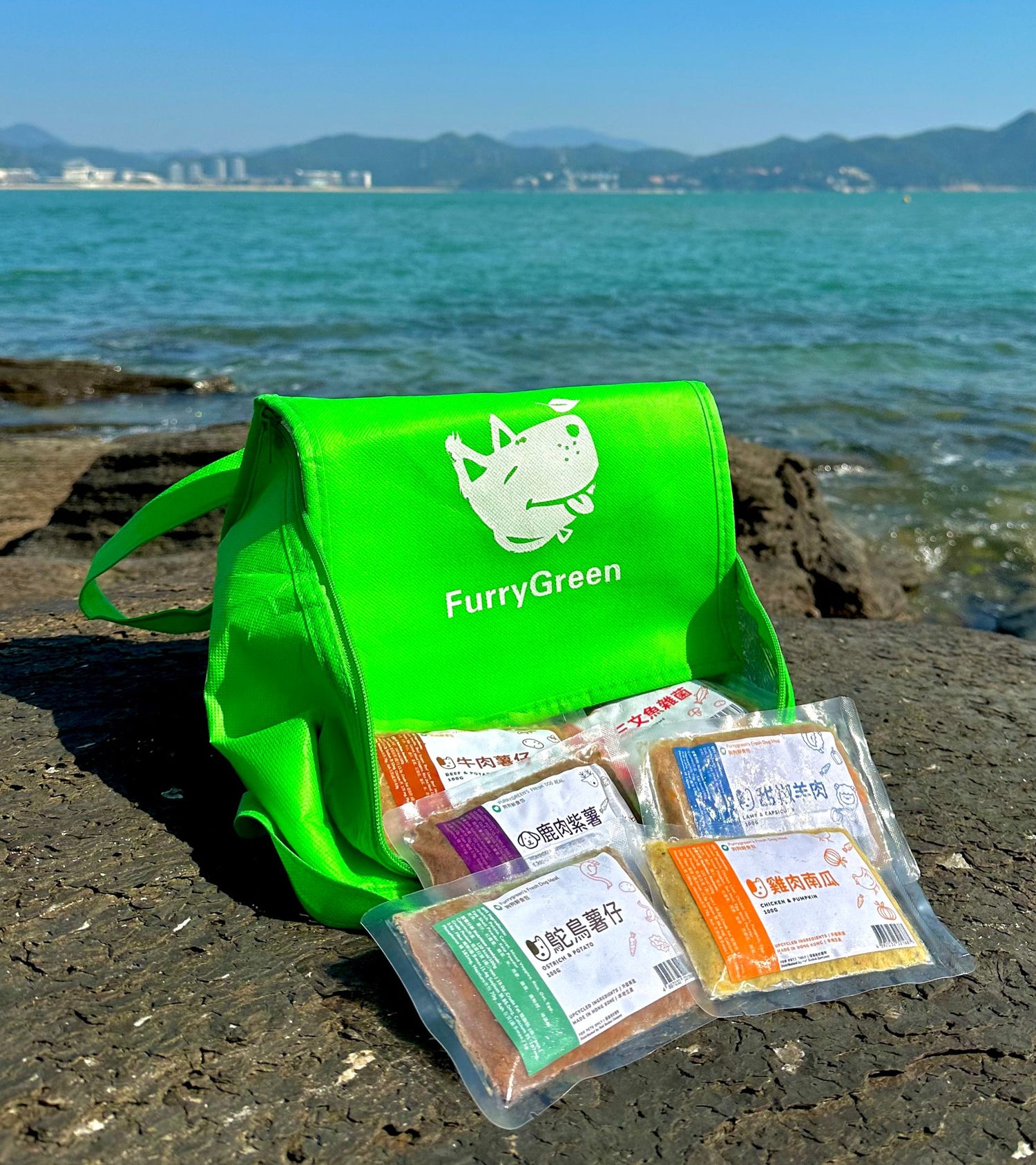
Every Furry Green recipe is gently cooked from upcycled, human-grade ingredients and formulated to be complete and balanced — so your dog or cat gets the fatty acids and nutrients they need, every day.
Shop Furry Green RecipesProcessing and Storage Still Matter
Whether food is fresh, canned or dry, fats can change during processing and storage.
Polyunsaturated fatty acids are more vulnerable to oxidation than many saturated fats. Oxidation can be influenced by heat, oxygen, light, time and storage conditions.
Commercial pet-food manufacturers use formulation strategies, antioxidants and packaging to help protect fats and maintain nutrient stability throughout the intended shelf life. This is one reason why dry food should not be judged solely by the fact that it has undergone higher-temperature processing.
For dry food, keep the food in its original bag when possible, seal it tightly, store it in a cool and dry location, and use it before the best-by date.
For fresh food, follow the manufacturer's refrigeration and handling instructions. Refrigerate or freeze the product as directed and avoid leaving it at room temperature for extended periods.
In other words, gentler processing may help reduce thermal exposure of oxidation-sensitive fats, but good formulation and proper storage remain essential regardless of the food format.
Learn more at: Can Dogs Eat Canned Food Made for Humans?
How to Choose a Better Fat Profile
Instead of looking for the food with the lowest fat content or the most impressive omega-3 marketing claim, consider these four questions:
1. Is the food nutritionally adequate?
Choose a food that is complete and balanced for your dog's or cat's life stage and physiological needs.
2. How much fat does your pet need?
Consider fat in the context of calorie density and body condition. Compare foods on a dry-matter or calorie basis, not just label percentages.
3. Which fatty acids does it provide?
Named ingredients like fish, fish oil or eggs help identify sources. Look specifically for EPA and DHA, not just "omega-3 rich" claims.
4. Does the diet fit your pet?
Body condition, activity, age, appetite, GI tolerance and disease all influence individual dietary requirements.
Named ingredients such as fish, fish oil, eggs or specific meat sources can help identify potential fatty-acid sources. If omega-3 supplementation is being considered, pay attention to whether the product provides EPA and DHA, rather than assuming that any ingredient described as "omega-3 rich" provides equivalent amounts.
Curious About Fresh, Fish-Based Recipes?
Explore our Salmon & Mushroom fresh dog food recipe, gently cooked to help preserve naturally occurring fatty acids.
See the RecipeFat supports health, but it cannot compensate for an otherwise unbalanced feeding routine.
FAQ: Pet Food and Dietary Fat
Is fat good for dogs?
Yes. Dogs need dietary fat for energy, essential fatty acids, absorption of fat-soluble vitamins and normal physiological functions. The appropriate amount depends on the individual dog's calorie requirements, life stage, body condition and health. More fat is not automatically better — excess calories can contribute to weight gain, and sudden consumption of rich food can cause digestive upset.
Is omega-6 bad for dogs and cats?
No. Omega-6 fatty acids are essential nutrients involved in normal skin function, growth and immune responses. Dogs and cats need both omega-6 and omega-3 fatty acids. The important consideration is the overall amount and type of fatty acids provided by the complete diet, not simply minimizing omega-6.
What is the best source of omega-3 for pets?
EPA and DHA are important long-chain omega-3 fatty acids. Oily fish and appropriately formulated fish oils can provide EPA and DHA directly; algae-based oils can also provide DHA and sometimes EPA. Flaxseed provides ALA, but conversion into EPA and DHA is limited. Talk with your veterinarian before adding concentrated supplements.
Can high-fat pet food cause diarrhoea?
It can in some animals. Sudden diet changes, rich meals or excessive treats can cause loose stools or other gastrointestinal signs. Introduce new foods gradually and contact your veterinarian if diarrhoea is persistent, severe, contains blood, or occurs with vomiting or lethargy.
Is fresh pet food better than kibble?
Not automatically. Fresh, gently cooked food may offer higher moisture and less thermal exposure for oxidation-sensitive fatty acids, but quality dry and canned foods can also be complete and balanced. Consider nutritional adequacy, calorie density, fatty-acid profile, processing, storage requirements and your pet's individual response.
Sources & Further Reading
- eClinPath. Cornell University College of Veterinary Medicine. eclinpath.com
- Merck Veterinary Manual. Dog and Cat Foods: Nutrition and feeding considerations. merckvetmanual.com
- National Research Council (NRC). Nutrient Requirements of Dogs and Cats. National Academies Press; 2006. nap.nationalacademies.org
- FEDIAF. Nutritional Guidelines for Complete and Complementary Pet Food for Cats and Dogs. europeanpetfood.org
- NCBI. Review of dietary fatty acids and their nutritional roles in dogs and cats. pmc.ncbi.nlm.nih.gov
- Bauer JE. Therapeutic use of fish oils in companion animals. JAVMA. 2011;239(11):1441–1451. doi.org/10.2460/javma.239.11.1441
- Calder PC. Omega-3 fatty acids and inflammatory processes. Nutrients. 2013;5(9):3683–3697. doi.org/10.3390/nu5093683
A note about interpreting these sources
The evidence does not support a single ideal omega-6-to-omega-3 ratio for every dog or cat. Fatty-acid requirements should be considered in the context of the individual animal, the total diet and the specific fatty acids supplied.
Similarly, fresh or gently cooked food should not automatically be assumed to contain more omega-3 fatty acids than dry food. Lower-temperature processing may reduce thermal exposure of oxidation-sensitive polyunsaturated fatty acids, but oxidation is also affected by oxygen, light, processing time, antioxidants, packaging and storage conditions.
For pets with medical conditions or unusual nutritional requirements, dietary decisions should be discussed with a veterinarian and, when appropriate, a board-certified veterinary nutritionist.
Disclaimer: This content is for educational purposes only and does not replace veterinary advice. Always consult a veterinarian when making dietary changes for your pet