
Stray Animals During Typhoons in Hong Kong: How to Help Safely
Quick Answer
Stray animals during typhoon Hong Kong weather face hypothermia, flooding, flying debris, landslides, and traffic accidents. If a dog or cat shelters under a canopy, car park, or building overhang and does not create danger, give them space until the storm passes.
Key Takeaways
- Summer typhoons bring heavy rain, squalls, flooding, and landslip risk, which are dangerous for stray dogs and cats.
- A dry corner under a podium, shopfront canopy, or car park may be their only temporary shelter.
- Help safely: don't chase, don't block exits, and call animal welfare groups or authorities if an animal is injured.
Hong Kong's summer is hot, wet, and storm-prone. The Observatory notes that thunderstorms with squalls are most frequent from April to September, and tropical cyclones are part of the city's severe weather pattern. (hko.gov.hk)
For animals living outdoors, that means a typhoon is not just "bad weather." It can be a life-threatening event.
Why Typhoons Are So Dangerous for Stray Animals

Stray animals during typhoon Hong Kong weather lose their usual escape routes. A lane they know in Sham Shui Po may flood. A quiet slope path near Sai Kung may become unsafe. A familiar shopfront may suddenly be blocked by shutters.
The biggest risks are not dramatic. They are basic: wet fur, cold wind, panic, hunger, injury, and nowhere dry to rest.
Community cats and stray dogs often seek shelter in covered areas such as building entrances, refuse rooms, car parks, or shopfront canopies during heavy rain. Leaving these animals undisturbed, when it is safe to do so, may reduce stress and prevent them from running into dangerous conditions.
That's the part people miss.
Strong Wind and Rain Can Cause Body Heat Loss

Wet animals lose body heat faster. Puppies, kittens, senior animals, and sick strays are at higher risk because they have less body reserve.
Prolonged exposure to heavy rain and strong winds can increase heat loss, especially in puppies, kittens, elderly animals, and animals that are sick, injured, or underweight.
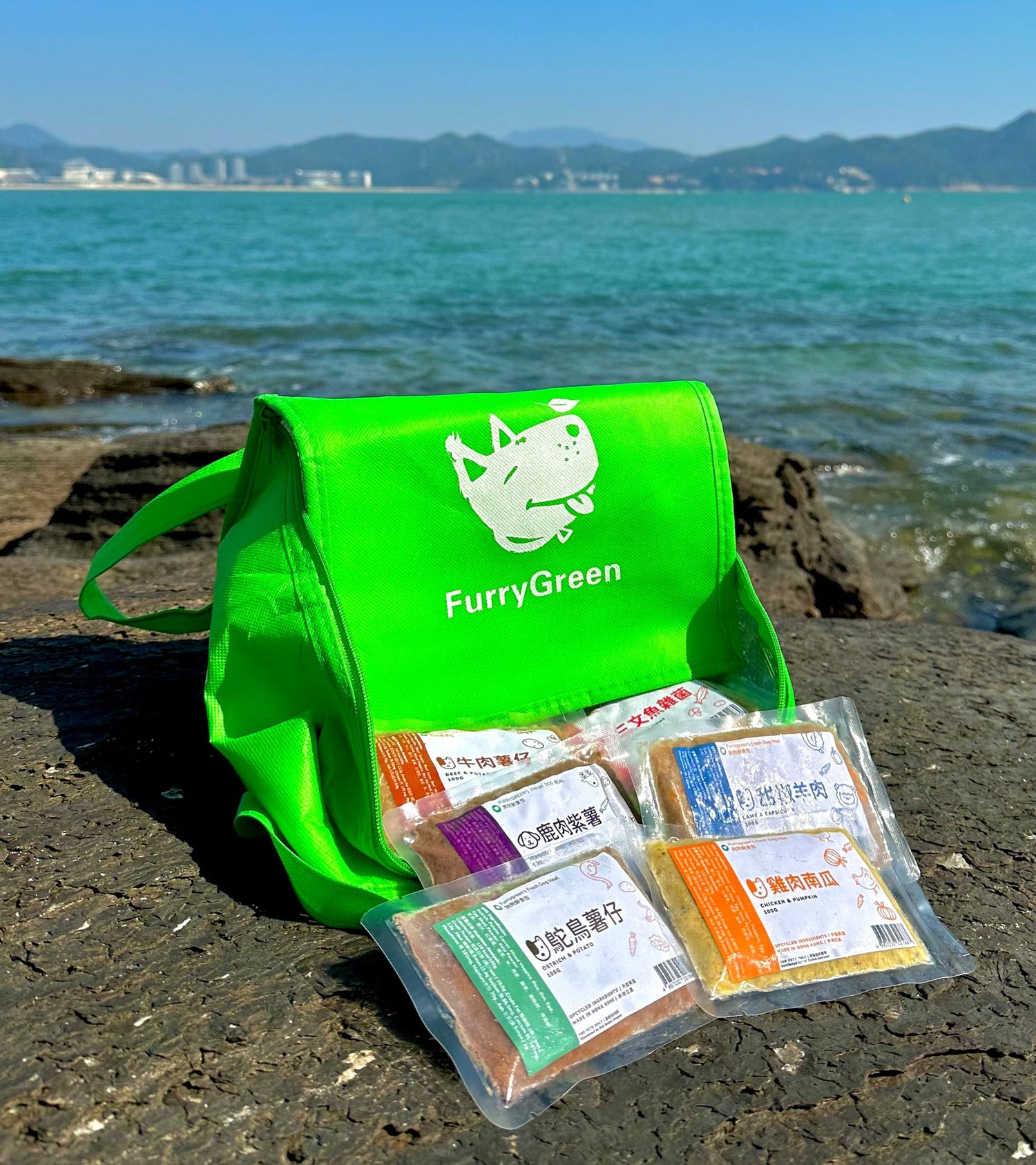
If you are fostering a rescued dog or cat during typhoon season, keep their meals simple and digestible. Furry Green's gently cooked recipes can help temporary carers offer real-food nutrition without complicated prep during storm days.
Flying Debris, Fallen Trees, and Landslips Are Real Risks
Typhoon winds can turn everyday objects into hazards. Signboards, plant pots, broken branches, loose metal sheets, and construction barriers can injure animals hiding nearby.
Heavy rain also raises slope risk. The Observatory issues Landslip Warnings with the Geotechnical Engineering Office when persistent rain creates a high risk of many landslips. (hko.gov.hk)
That matters because stray dogs may shelter near hillside paths, village roads, drainage channels, or slope-side car parks. These places can look quiet before rain builds up.
Typhoon Risks for Stray Animals
| Hazard | Risk | Safe response |
|---|---|---|
| Heavy rain | Exposure and heat loss | Allow animals to remain in sheltered areas if safe |
| Strong winds | Stress and flying debris | Avoid startling or chasing animals |
| Flooding | Entrapment or drowning | Do not enter floodwater; contact rescuers if needed |
| Landslips | Collapse of hillside shelters | Stay away from unstable slopes |
| Reduced visibility | Increased traffic collisions | Drive slowly and watch for animals |
Flooding Can Trap Small Animals Fast
One heavy downpour can overwhelm low-lying spots. The Red and Black Rainstorm signals warn of heavy rain that may cause serious road flooding and traffic congestion. (hko.gov.hk)
For a kitten, a blocked drain is not minor. For a small dog, fast-moving water near a nullah or roadside channel can be impossible to fight.
My colleague's cat had this exact issue before adoption. She was found after a rainstorm, hiding inside a wet cardboard box near a back alley. She survived because a resident waited, watched from a distance, then called a rescue volunteer.
Patience saved her.
Roadkill Risk Goes Up During Typhoons
Animals panic during storms. Loud wind, thunder, metal shutters, and falling branches can push them into traffic.
Drivers also see less. Rain on windscreens, dark streets, and sudden gusts make it harder to notice a dog crossing from between parked cars.
If you drive during a typhoon or rainstorm, slow down near markets, village roads, public housing car parks, and refuse collection points. These are common hiding areas for community animals.
How to Help Without Making Things Worse

The safest help is calm, practical, and low-interference.
If an animal is sheltering quietly and not blocking access, don't rush to move them. Don't shout. Don't spray water. Don't push them back into the rain.
If you are a building manager, security guard, helper, or shop owner, give them a short window to rest. A corner under cover may be the difference between surviving the storm and running into traffic.
If the animal is injured, trapped, or poses an immediate risk to public safety, contact the Agriculture, Fisheries and Conservation Department (AFCD), the SPCA (Hong Kong), or another recognised animal welfare organisation. If there is an immediate danger to people or traffic, call the appropriate emergency service. (pets.gov.hk)
For pet parents who end up fostering after a storm, keep a basic typhoon kit: towels, spare bowls, a crate, water, and easy-to-portion food. Furry Green meals can be useful when a rescued animal needs soft, familiar-smelling food after stress. See fresh food for animals with sensitive stomachs.
FAQ
What should I do if I see a stray dog during a typhoon?
If the dog is calm and sheltering safely, leave it alone and keep people from crowding it. If it is injured, trapped, or running into traffic, contact a local animal rescue group or call emergency services. Do not chase the dog, as panic can push it onto the road.
Can I let a stray cat stay in my building during heavy rain?
If building policies allow and the animal is not blocking emergency exits or creating a safety hazard, allowing temporary shelter during severe weather may reduce the risk of injury. Avoid handling unfamiliar cats, as frightened animals may scratch or bite.
Why do stray animals hide in car parks during typhoons?
Car parks offer cover from rain, wind, and flying debris. They also have corners where animals can avoid direct human contact. The danger is traffic, so drivers should slow down and check under vehicles before moving during stormy weather.
Should I feed stray animals during a typhoon?
Food can help if offered responsibly, but safety comes first. Do not lure animals across roads or into unsafe spaces. Keep feeding areas clean, avoid crowding animals, and follow local building rules. If unsure, ask a recognised animal welfare group for guidance.
Who should I call for an injured stray animal?
For immediate danger to life or safety, call emergency services. For non-emergency rescue support, contact local animal welfare organisations. If the animal is trapped, badly bleeding, or unable to move, do not attempt risky handling without help.
Disclaimer: This content is for educational purposes only and does not replace veterinary advice. Always consult a veterinarian when making dietary changes for your pet.
Reference
- Agriculture, Fisheries and Conservation Department. (n.d.). Animal management and animal welfare. https://www.afcd.gov.hk/
- Civil Engineering and Development Department. (n.d.). Geotechnical Engineering Office – Landslip Warning. https://www.cedd.gov.hk/
- Hong Kong Observatory. (n.d.). Weather warnings and signals. https://www.hko.gov.hk/
- Pets Central. (n.d.). Responsible pet ownership. https://www.pets.gov.hk/
- SPCA (Hong Kong). (n.d.). Animal welfare and rescue services. https://www.spca.org.hk/